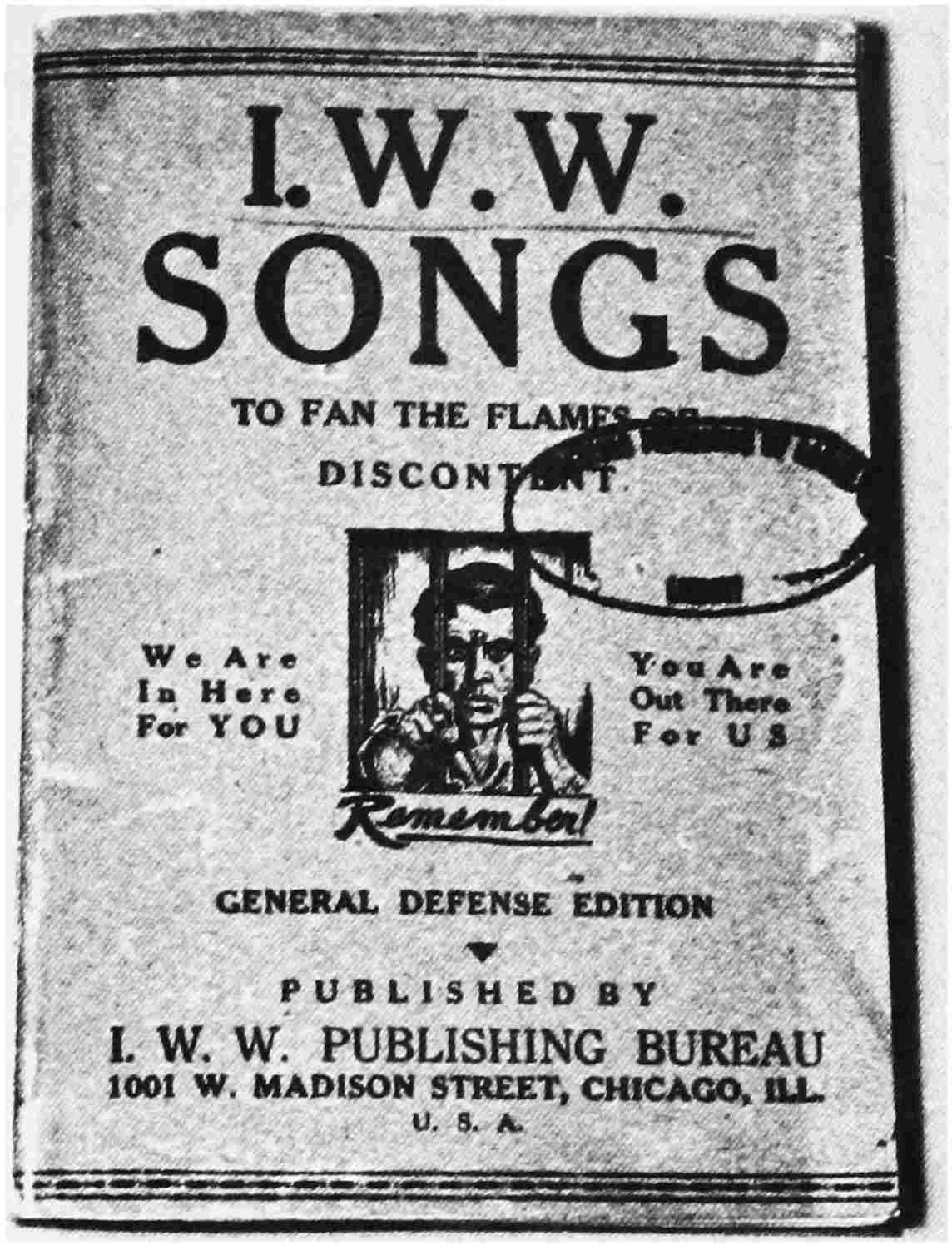
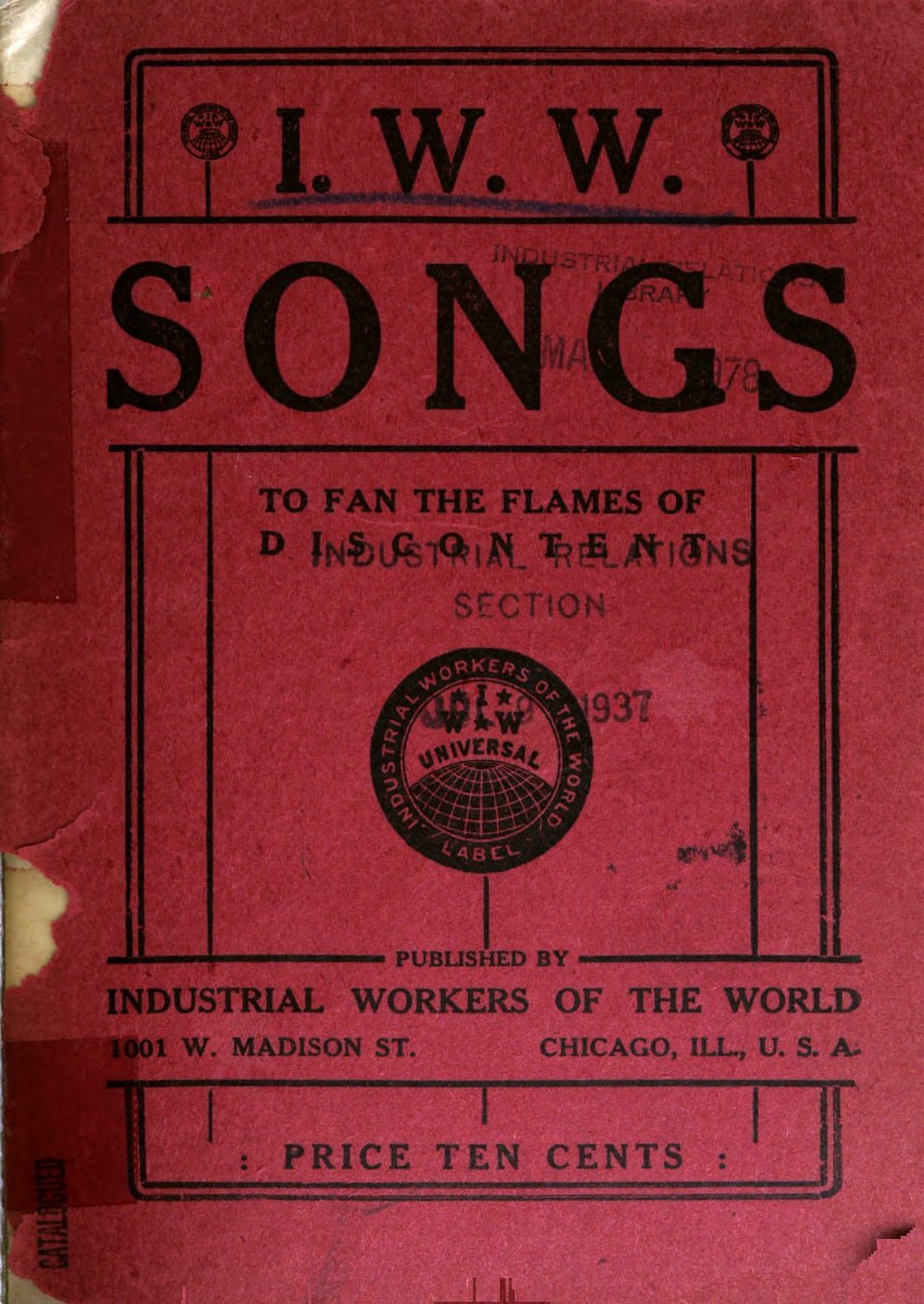
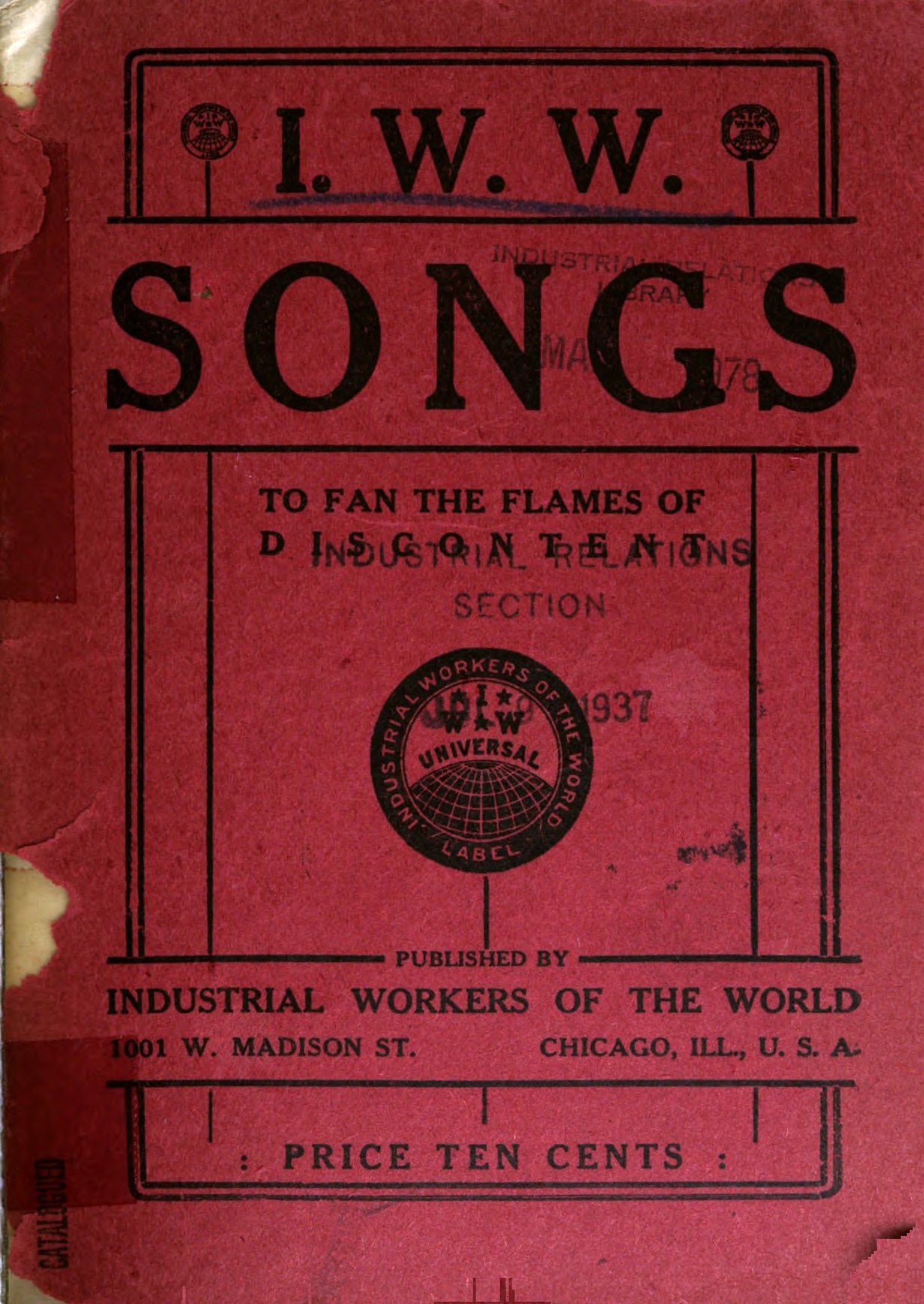
A red pamphlet the size of a hip pocket: Songs to Fan the Flames of Discontent. Around a jungle fire or a free-speech corner, someone starts a hymn tune with new words.
Carved nickels fit a pocket. So did a songbook. Songs carried news, jokes, and organizing; literature carried the road into parlors. This chapter keeps the music and the reading list together—and sands the authorship myths.
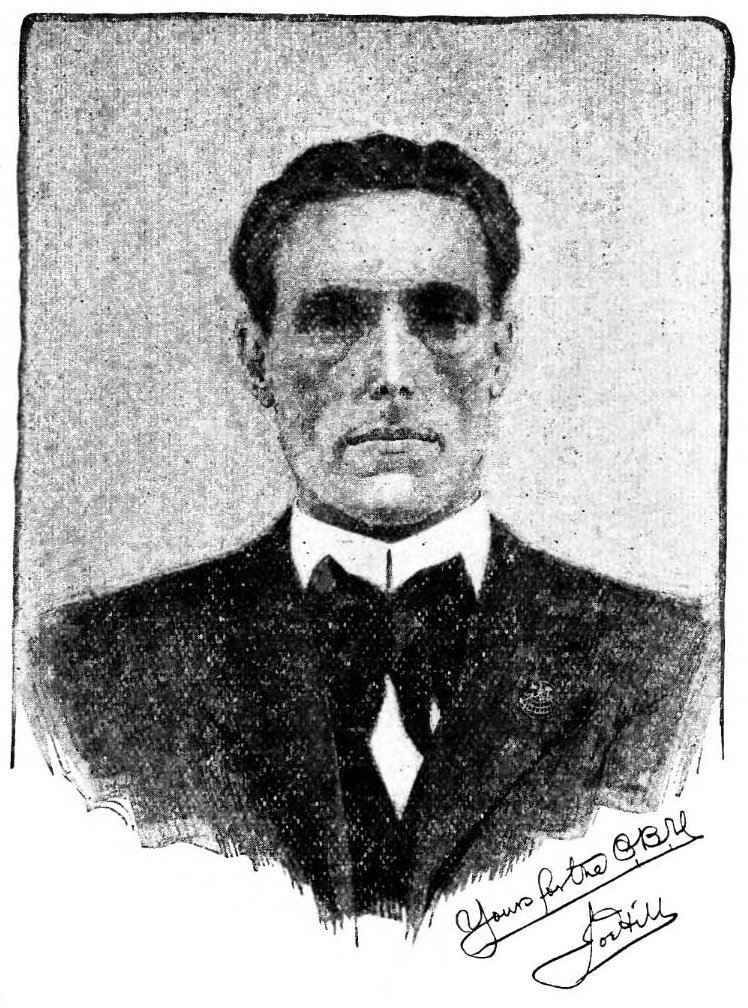
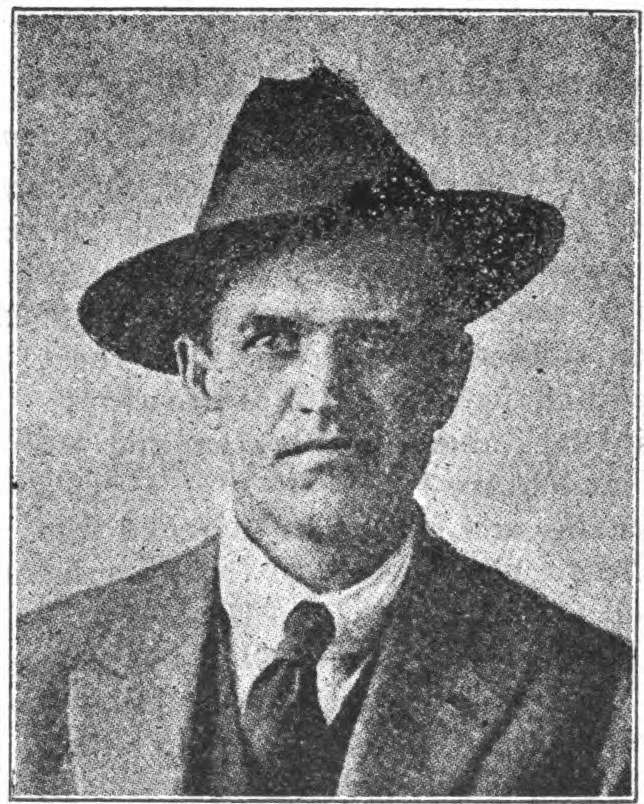
IWW Little Red Song Book, 1918. Pocket songbooks sold for a dime carried organizing lyrics set to familiar hymn and popular tunes. IWW Pub., 1918. Wikimedia Commons (public domain). Source.Songs of the Workers cover. The cover promised songs “to fan the flames of discontent”—art as organizing. IWW, early 20th c. Wikimedia Commons (public domain). Source.Joe Hill. Joe Hill’s songbook staples outlived him; myths still misattribute other hobo songs to his pen. Unknown photographer, c.1910s. Wikimedia Commons (public domain). Source.
Songs of the Road
“Hallelujah, I’m a Bum” circulated in IWW and hobo circles; it is associated with Harry “Haywire Mac” McClintock, not Joe Hill. Joe Hill wrote other songbook staples (for example, “Casey Jones—the Union Scab” and “The Preacher and the Slave,” whose refrain is often shortened to “pie in the sky”). Keep the attributions straight. The myth that Hill wrote “Hallelujah, I’m a Bum” is sticky—repeat the correction as needed.
On the Page and in the Yard
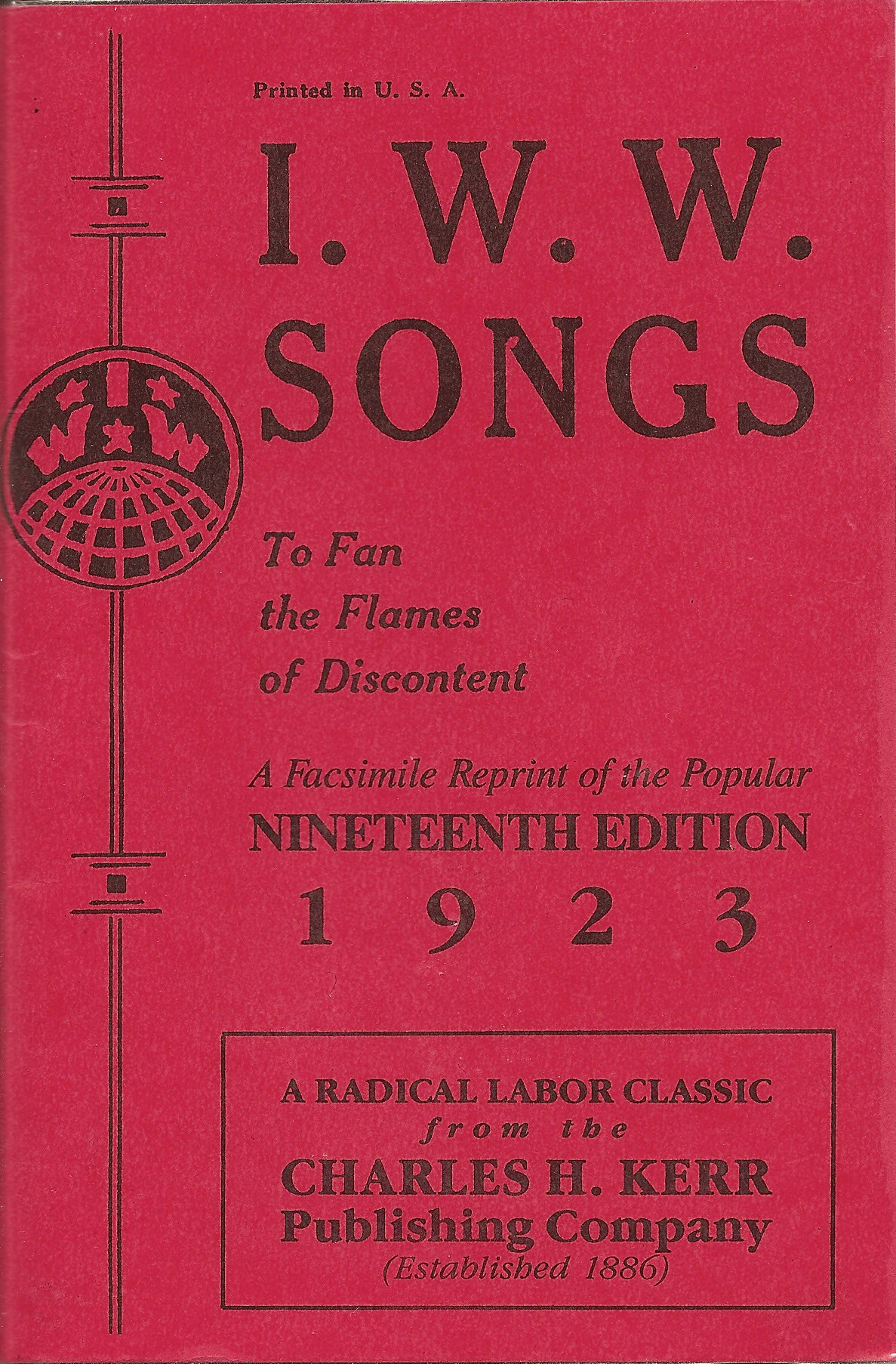
Printed songbooks and oral performance worked together. A rider might know a chorus without owning the pamphlet; an organizer might sell the pamphlet for a dime. Pocket-sized, red-covered, lyrics to familiar tunes: public-domain editions can be shown entire; modern reprints may reset copyright on design—we use historic scans.
RecordingsEarly recordings may have separate copyrights from lyrics first published before 1930.
Essential Reading
London’s The Road; Flynt’s sketches; Lynn’s Woman Hobo; Anderson’s The Hobo; later DePastino’s Citizen Hobo. Public-domain titles live in the Reading Room. Song culture dies when myths overwrite writers: McClintock’s “Hallelujah, I’m a Bum,” Hill’s union parodies, Guthrie’s migrant ballads—each deserves the right name.
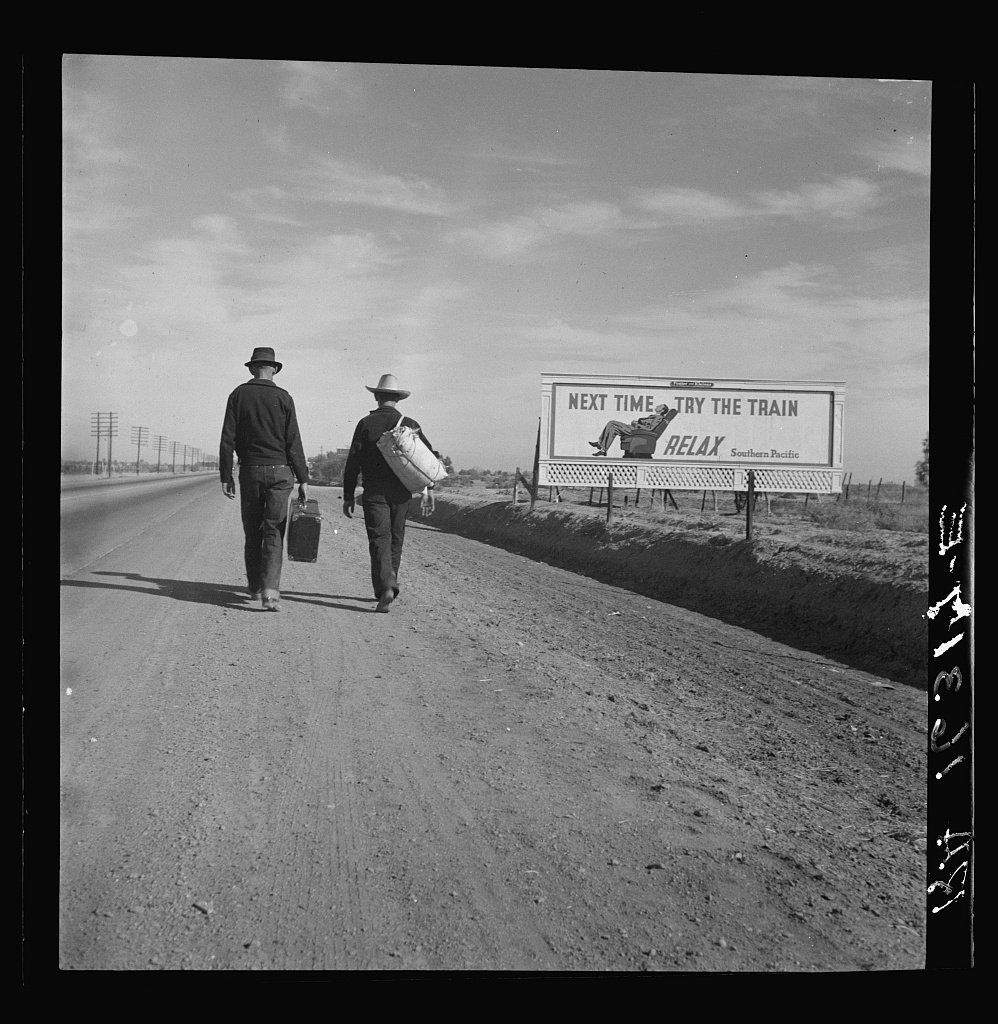
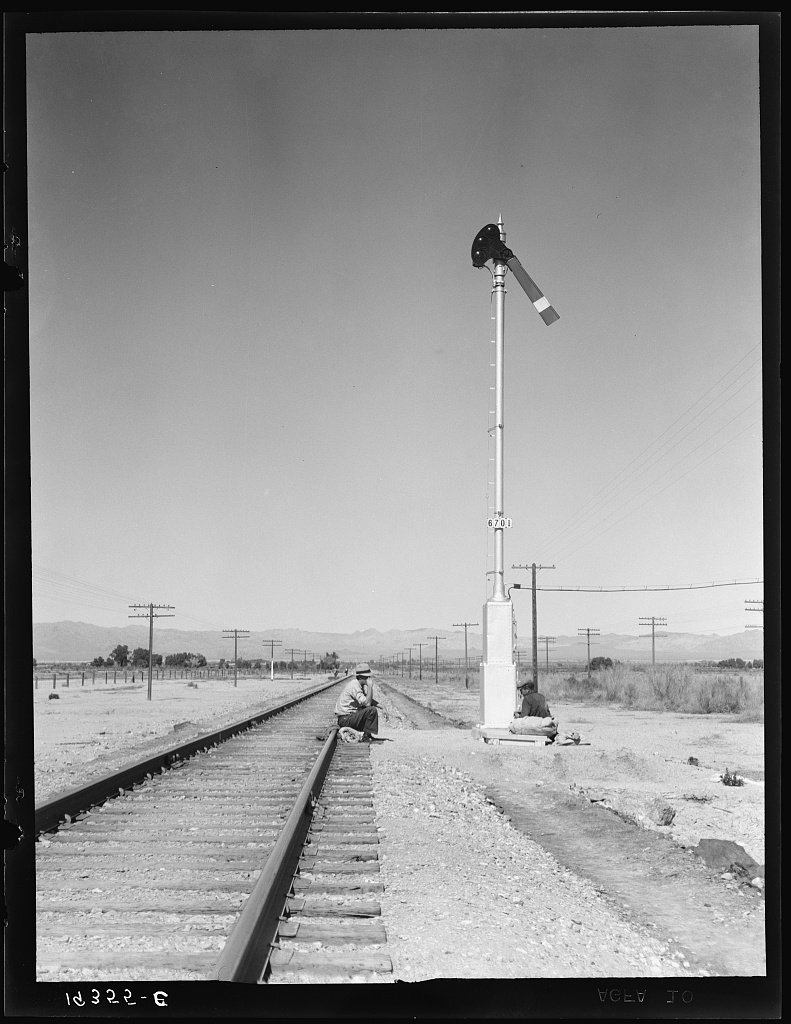
Little Red Songbook (alternate cover). Another printing of the IWW songbook tradition—same red-book idea, different cover art. Wikimedia Commons (public domain). Source.Frank Little, from Songs of the Workers. Frank Little, IWW organizer murdered in 1917, appears in the songbook’s memorial pages. Wikimedia Commons (public domain). Source.Songs of the Workers — alternate cover. A variant cover from the same IWW songbook lineage used in halls and jungles. Wikimedia Commons (public domain). Source.Toward Los Angeles. The road west as hope and rumor for displaced families—the landscape behind the ballads. Library of Congress, FSA/OWI Collection. Source.Waiting near Calipatria. Bindlestiffs waiting for a freight—the pause before the next jump, and a place a chorus might start. Library of Congress, FSA/OWI Collection. Source.
Songs and books shaped one memory of the road. Hollywood shaped another. The next room names the films—and keeps satire, biopic, and pulp from posing as a census.
See Sources for works and archives cited in this room.