
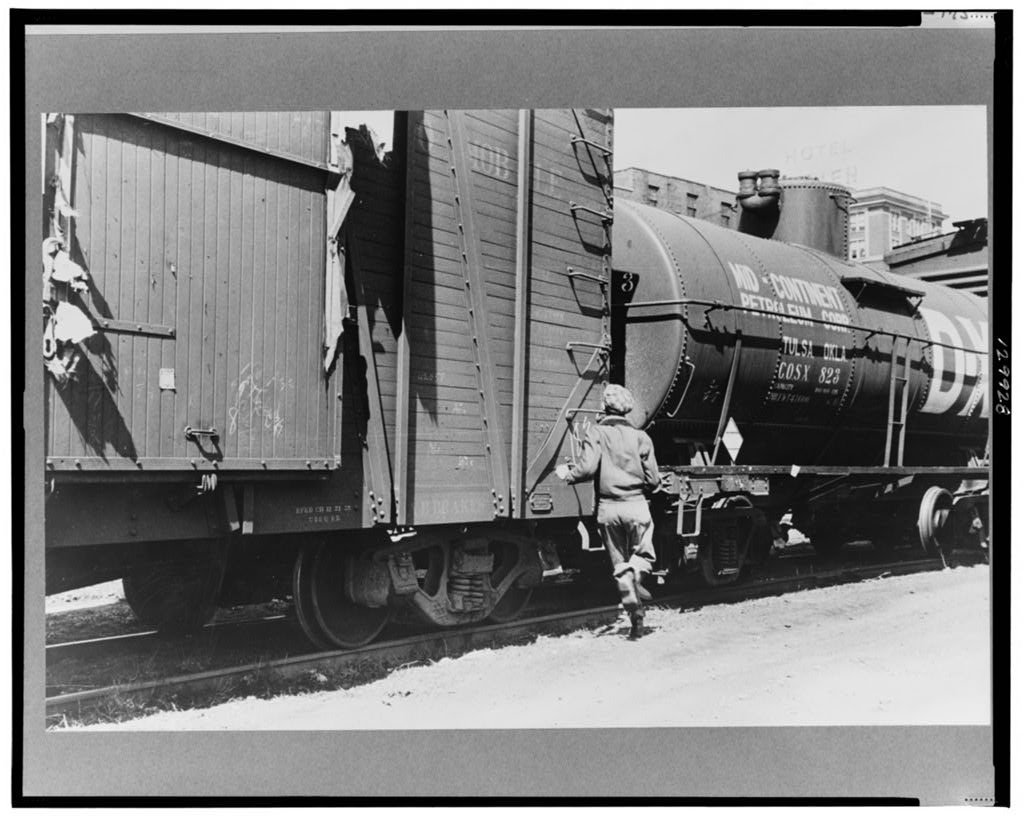
A boy catches the ladder of a moving freight in Dubuque, 1940. John Vachon’s shutter freezes a gesture thousands of Depression teenagers knew in their bones—leave home, ride, look for work or escape.
Scottsboro’s defendants were teenagers seeking work. They were not alone. PBS Riding the Rails framed more than 250,000 Depression-era teenagers on the road. This chapter keeps that estimate honest, the risks visible, and the continuity clear: London already knew road-kids in 1907; the Crash flooded the yards with them.
Why They Left
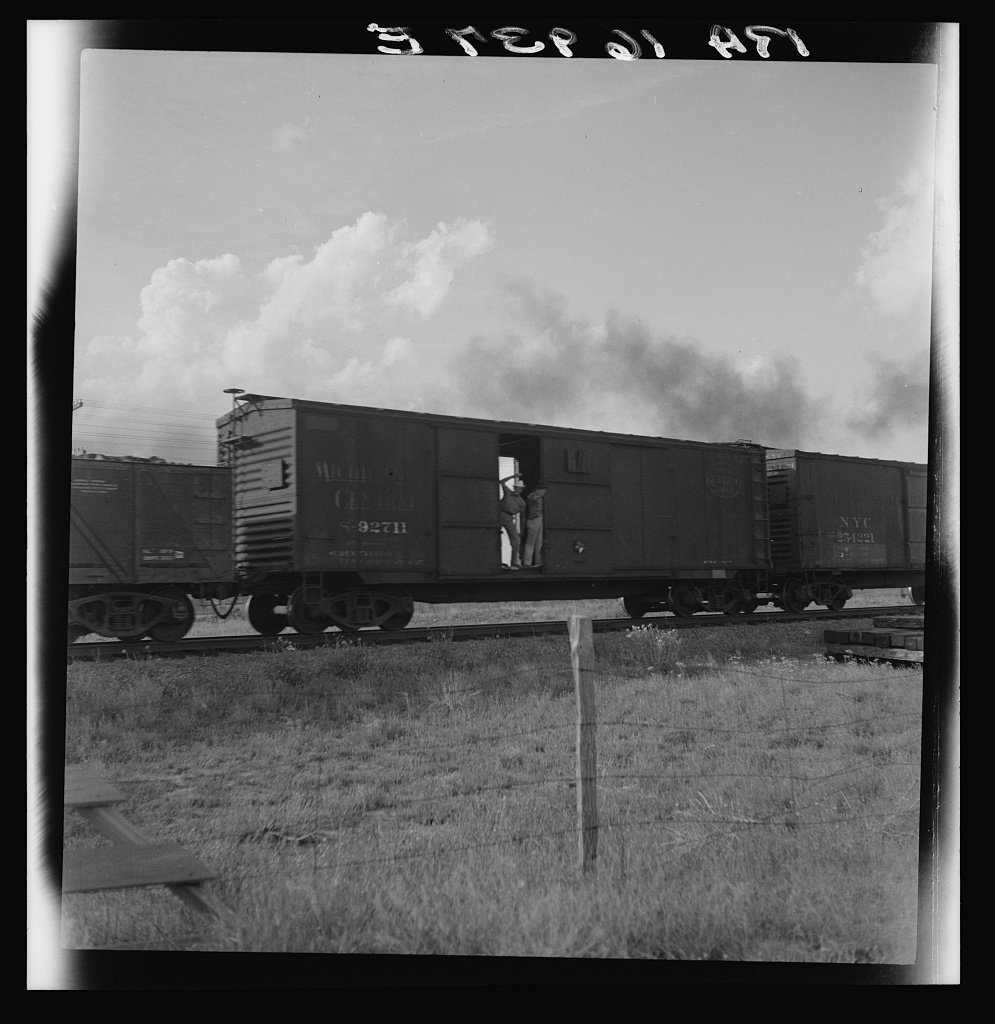
Some sought wages when parents could not feed them. Some fled abuse or shame. Some chased adventure they had heard in songs and pulp. Federal transient programs and local shelters existed unevenly; many youths stayed outside formal aid. They were called boxcar boys and boxcar girls.
The PBS / Uys Research
Michael Uys and Lexy Lovell’s documentary, with related research by Errol Lincoln Uys, drew on thousands of letters and interviews. The “more than 250,000” figure is an order-of-magnitude estimate from that project—not a government census. We cite it as such. The archive is full of letters—some bragging, some begging forgiveness, some asking for shoes. Copyright covers many full texts; this museum points to PBS rather than pasting transcripts.
Dangers Specific to Youth
Inexperience meant more falls, more arrests, more vulnerability to assault. Railroad bulls and local police did not grade compassion by age. London’s earlier chapter on road-kids and gay-cats shows the youth scene was already visible by 1907; the Depression scaled it up. Continuity matters: the 1930s did not invent the young rider; they flooded the yard with them.
Listening Without Copying
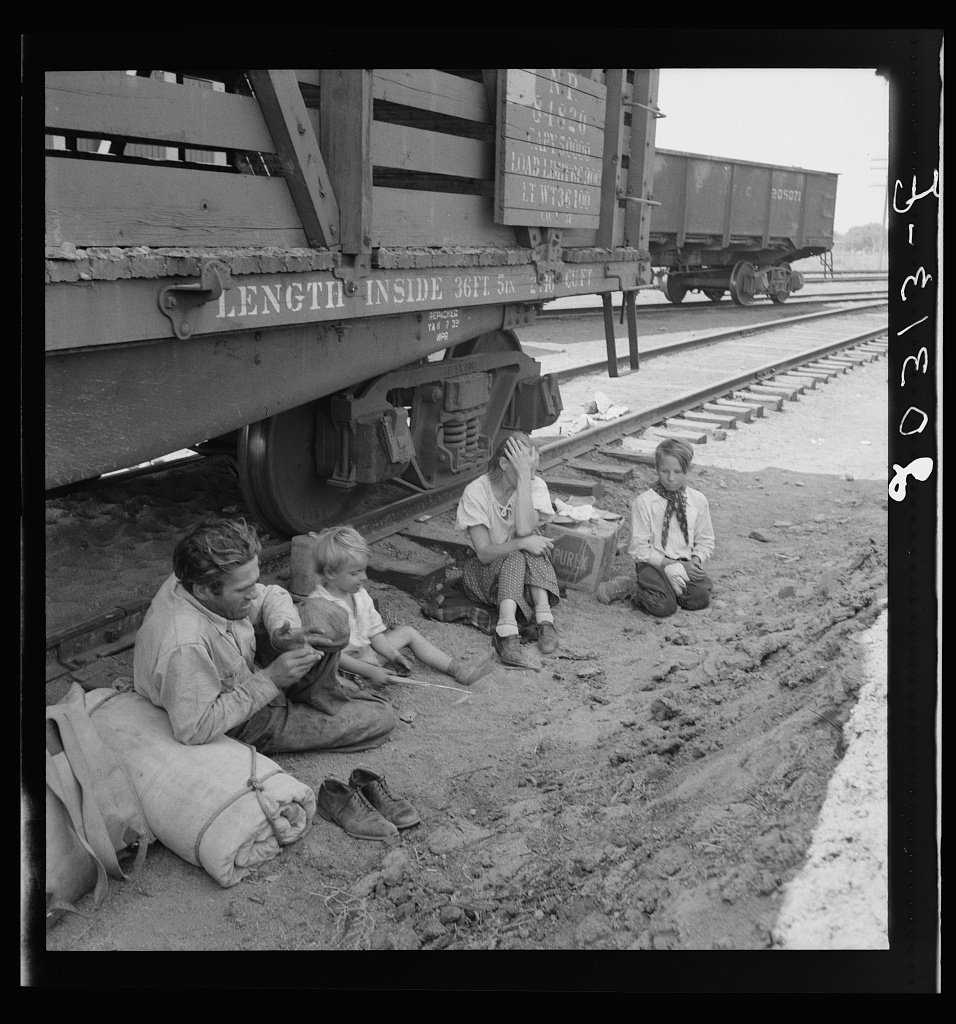
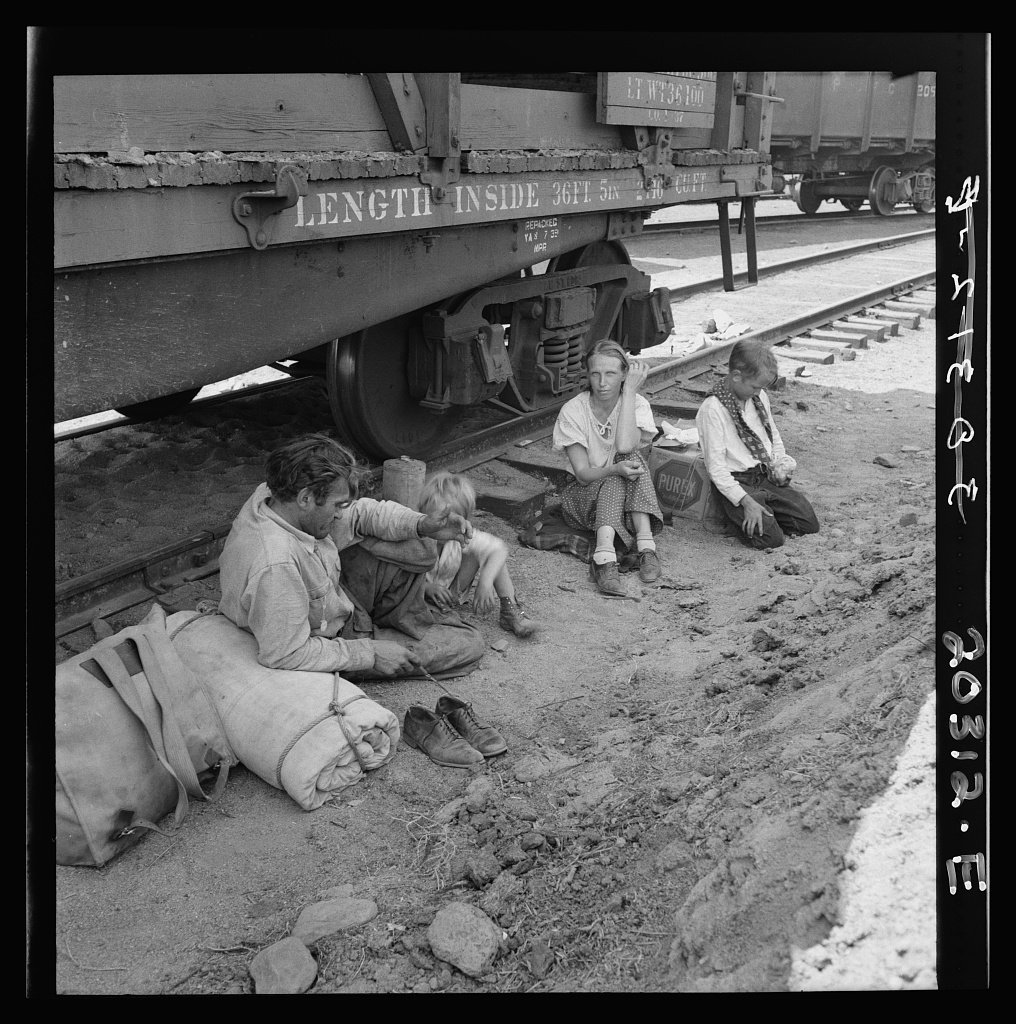
The Riding the Rails letters are intimate; we use short attributed quotes and point visitors to PBS. Vachon’s and Lange’s youth photographs—Library of Congress FSA/OWI images with “No known restrictions”—are the visual chorus. Preserving youth history means admitting adventure and damage in the same paragraph.
That closes the People of the Rails wing. The next corridor turns from who rode to how they talked, signed, sang, and policed themselves: Culture and Code.
See Sources for works and archives cited in this room.