
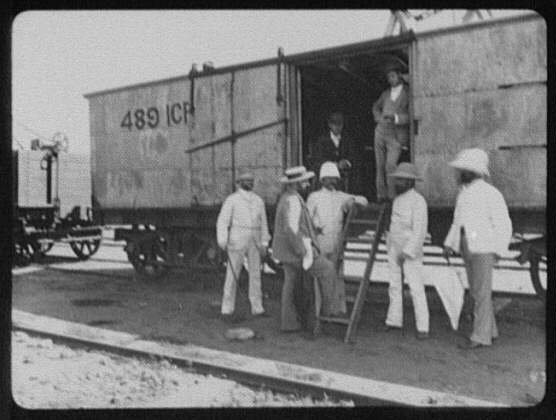
1908: Wobblies in overalls hop freights from Portland toward Chicago—a “Red Special” without a private car, selling songbooks and holding meetings between divisions.
The Depression put a new generation on the freights. The Industrial Workers of the World had already treated those freights as more than transport. After 1915 especially, boxcars became classrooms and dues collectors. This chapter follows the Wobbly boxcar strategy from the Overalls Brigade to the harvest belt.


Overalls Brigade and Free-Speech Fights
In 1908, Wobblies hopped toward Chicago’s convention in overalls, holding meetings and selling literature en route—organizing without a rented hall. The UW IWW History Project reconstructs the trip from union papers. Free-speech fights in Spokane, Fresno, and San Diego drew members by rail; a San Diego verse urged riders to come “on the cushions” or “on top.” Vigilantes sometimes blocked the approaches. That anecdote is the seed of later Agricultural Workers’ Organization boxcar strategy.
Agricultural Workers’ Organization
From 1915 the A.W.O. (Local 400) sent field delegates onto freights across the wheat belt—an “800-mile picket line” in later memory. Period papers describe red-card pressure and job control; membership numbers are contested—label them estimates. Greg Hall and the UW IWW History Project link decline to automobile travel among harvest workers by the late 1920s. The “red card” was dues, identity, and sometimes a ticket past other Wobblies on a car. Affidavits from the early 1920s allege forced carding—read them as contested evidence from a repression era.

Read: UW IWW History Project — Boxcar Strategy.
Organizing Memory
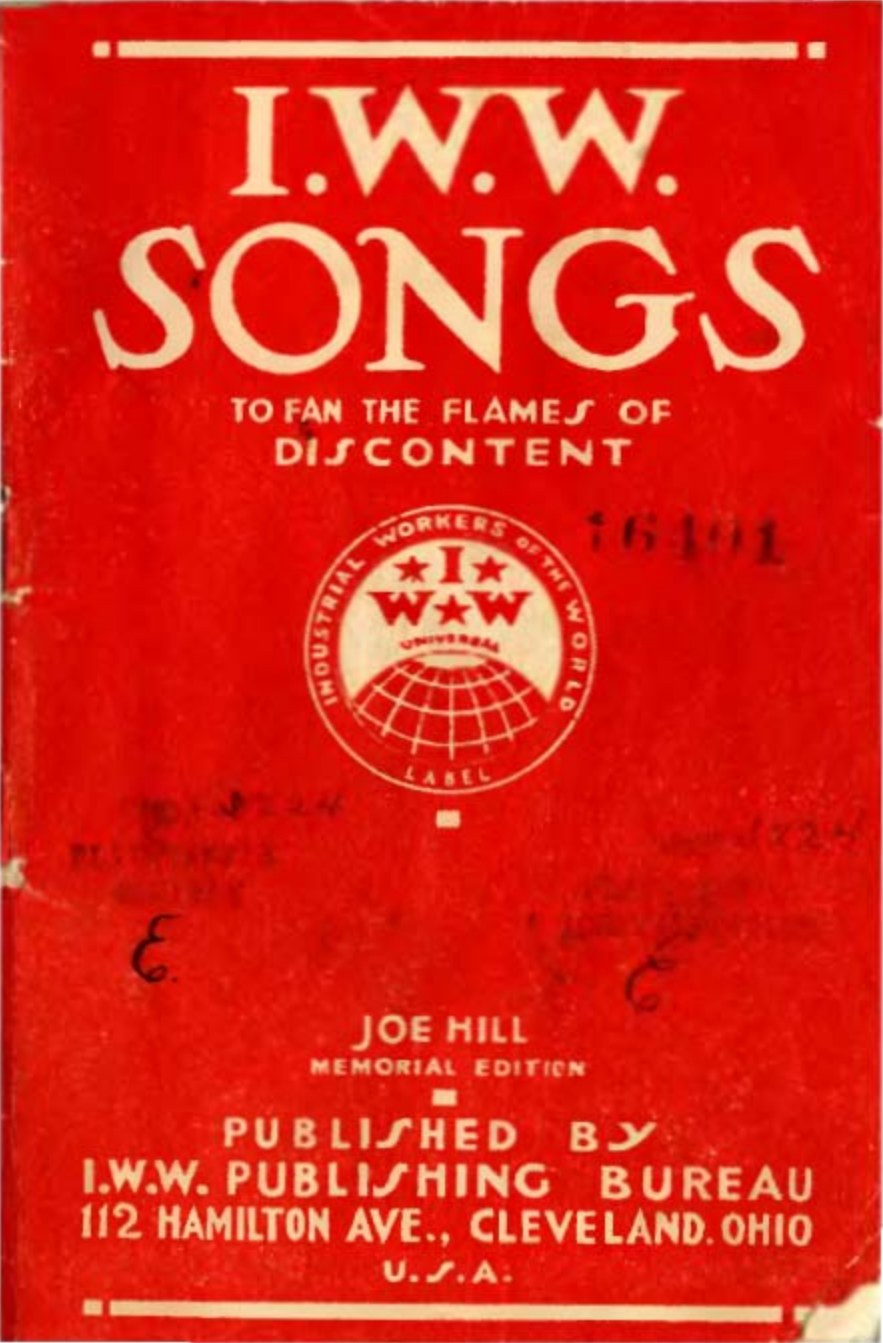
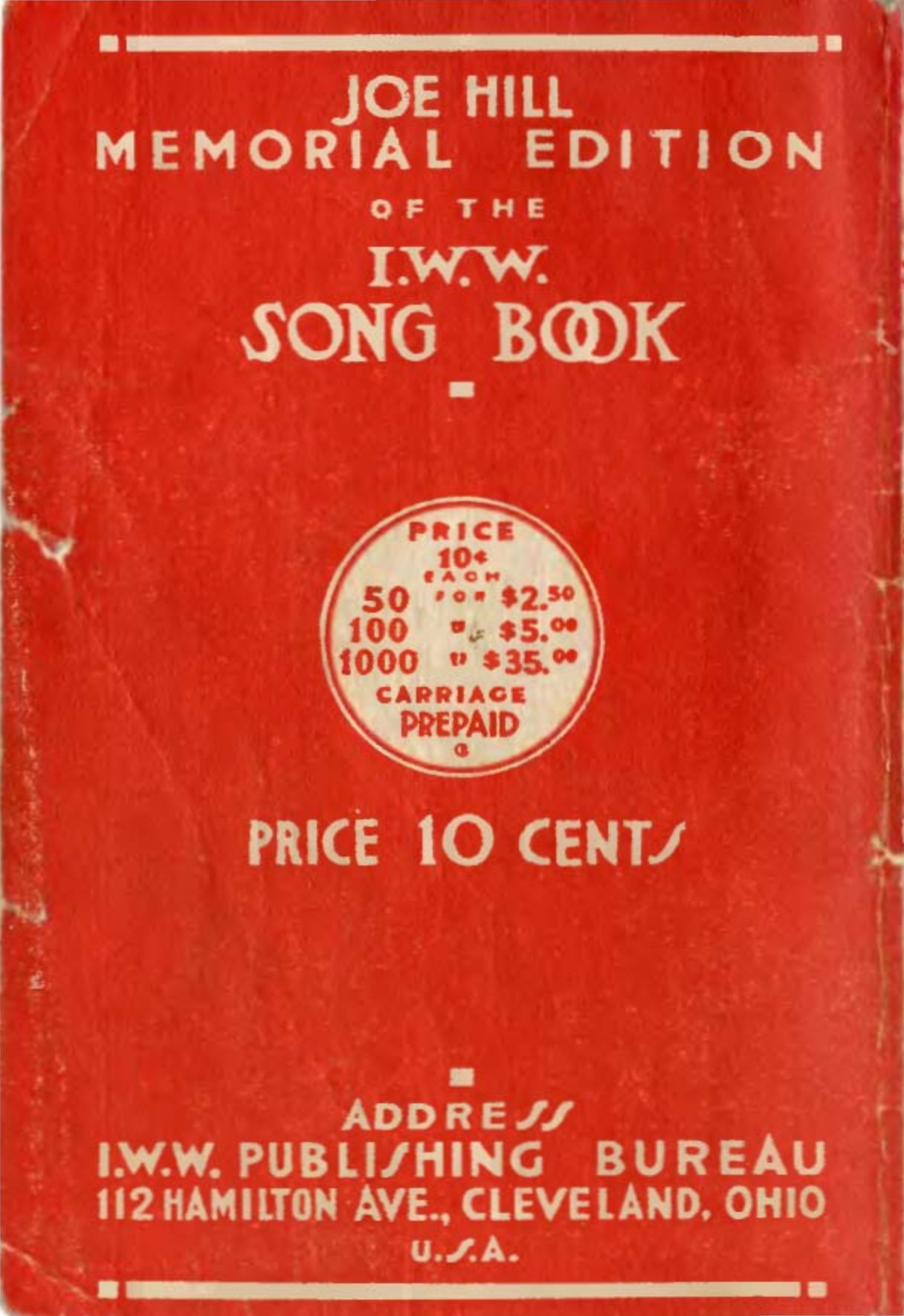
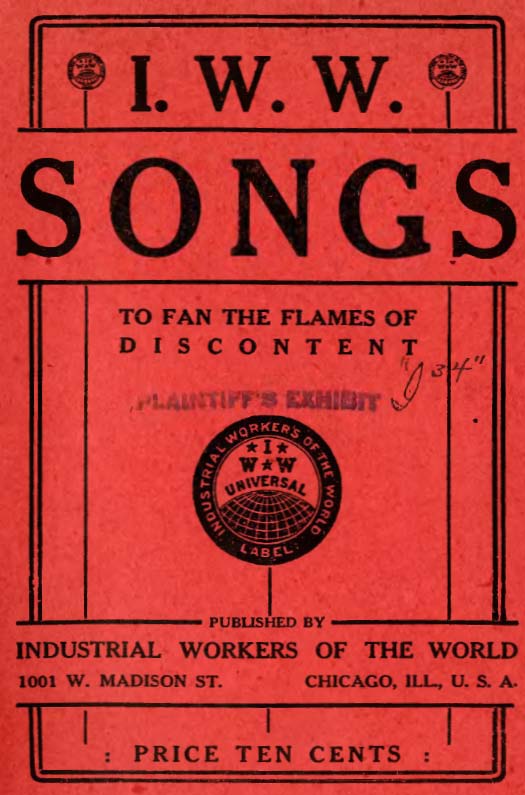
The UW IWW History Project’s boxcar essay footnotes Solidarity and Industrial Worker. Linking that scholarship beside songbook covers keeps radical freight history from vanishing into nostalgia. Court exhibits even preserved songbook covers stamped as evidence in IWW cases—the pamphlet as both weapon and proof.


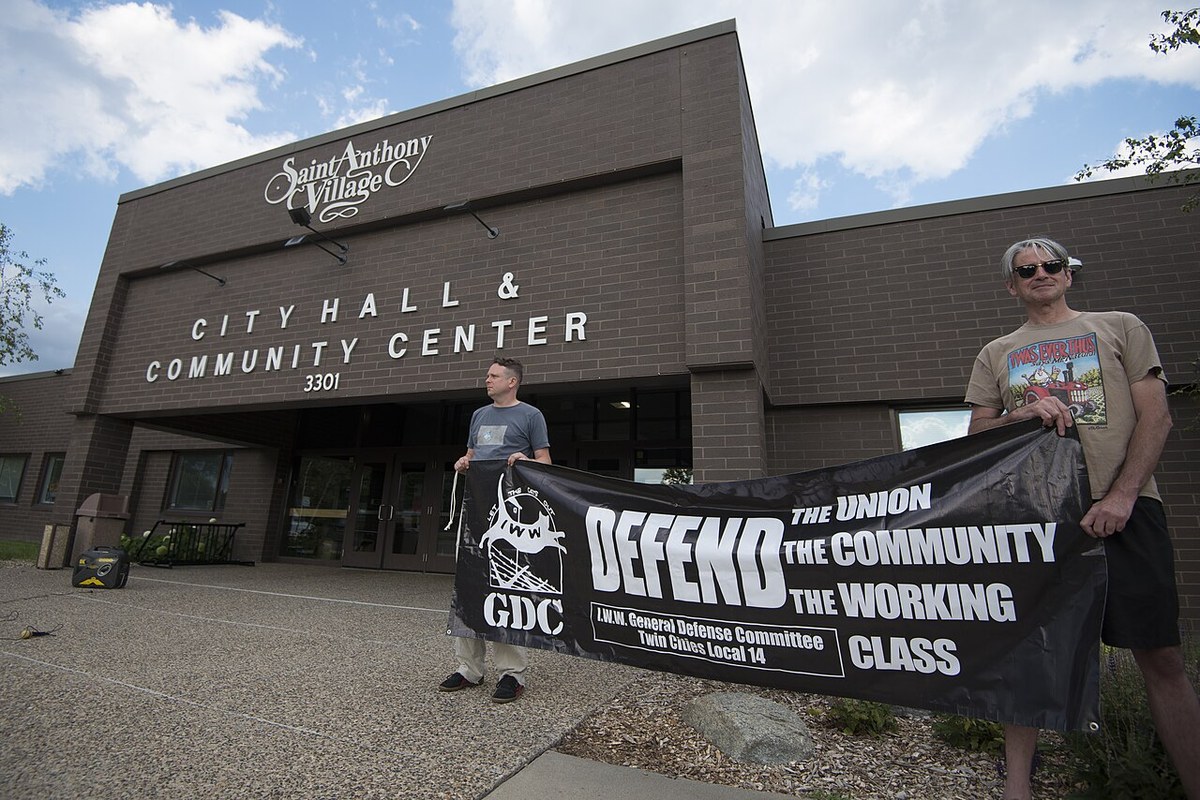
Union halls and boxcars were one architecture of mutual aid. The next room opens another: Hobo College on Chicago’s main stem, where lectures and chalkboards met the migratory worker.
See Sources for works and archives cited in this room.