
A jungle fire, a pot of mulligan, an unspoken rule: don’t steal from the camp. Whether or not a printed “Ethical Code of 1889” ever hung in a hall, mutual aid had habits.
Slang named the world. Ethics tried to govern it. Widely circulated “hobo ethical codes” express real values—and often come with contested origin stories. This chapter separates the values from the founding myths.
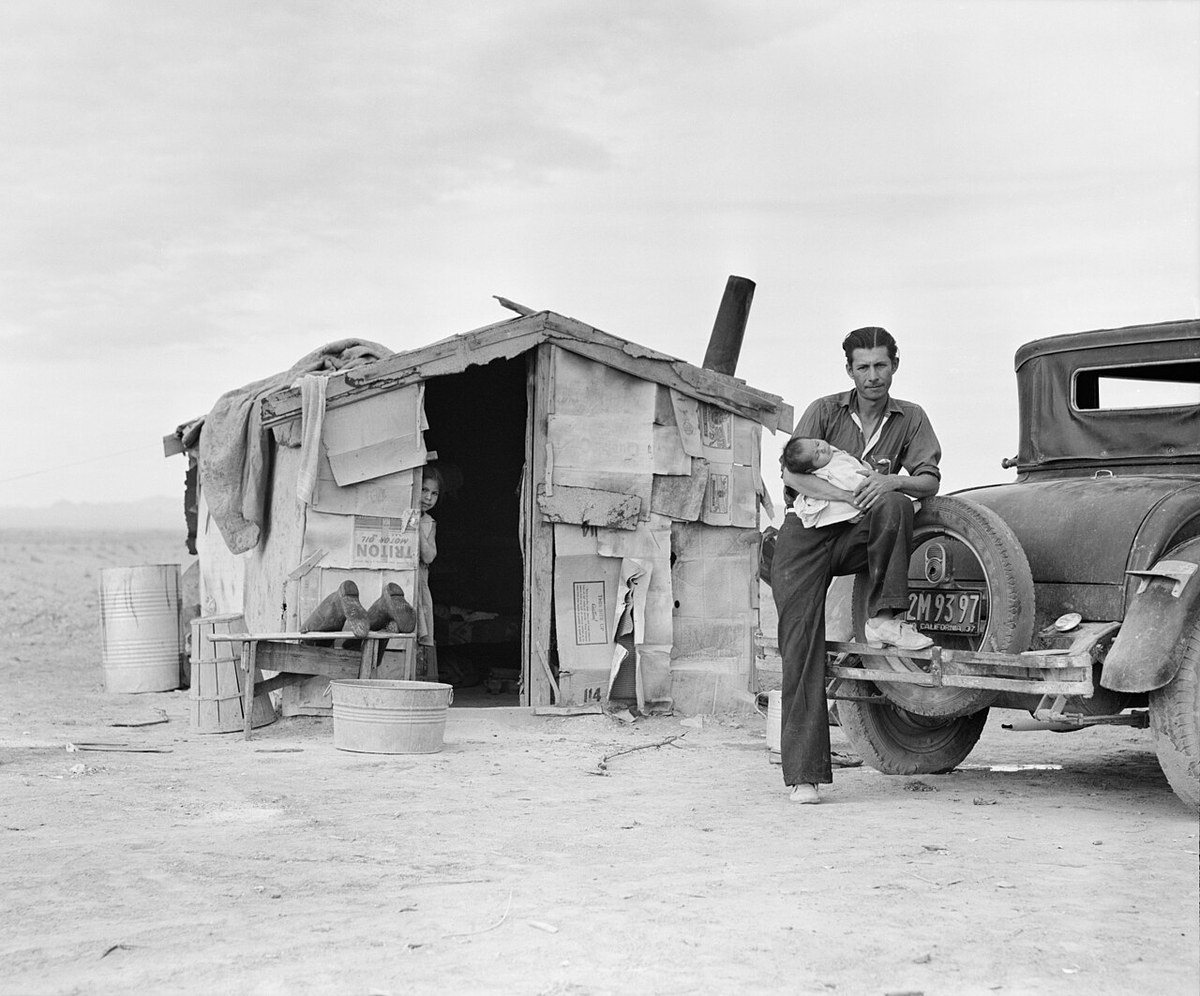
Values the Code Expresses
Help another traveler; respect the jungle; don’t burn a kind town with theft; look for work. These ideals appear across memoirs even when the printed list differs.
A Widely Circulated Text
Tourist literature and later websites quote an “Ethical Code” sometimes dated to 1889 Tourist Union gatherings. Historians urge caution on the neat origin tale. Britt’s Tourist Union No. 63 is real; a single parchment of commandments is harder to nail down. Treat exact 1889 code texts as folklore until tied to a specific archival document.
Jungle Law in Practice
Camps enforced norms informally: exclusion, shaming, occasional violence. Theft from the mulligan pot could get you expelled. Towns that fed riders expected them to move on. Jungle law was negotiated—enforced by reputation more than by a posted statute.
The Mulligan Test
Memoirs return to the shared pot: contribute a potato, get a bowl. Steal from it, and the jungle’s ethics become suddenly concrete. Whether or not a printed 1889 code existed, the mulligan was a daily statute. Preservation means recording the argument—including Britt’s civic ritual—without turning contested parchment into gospel.
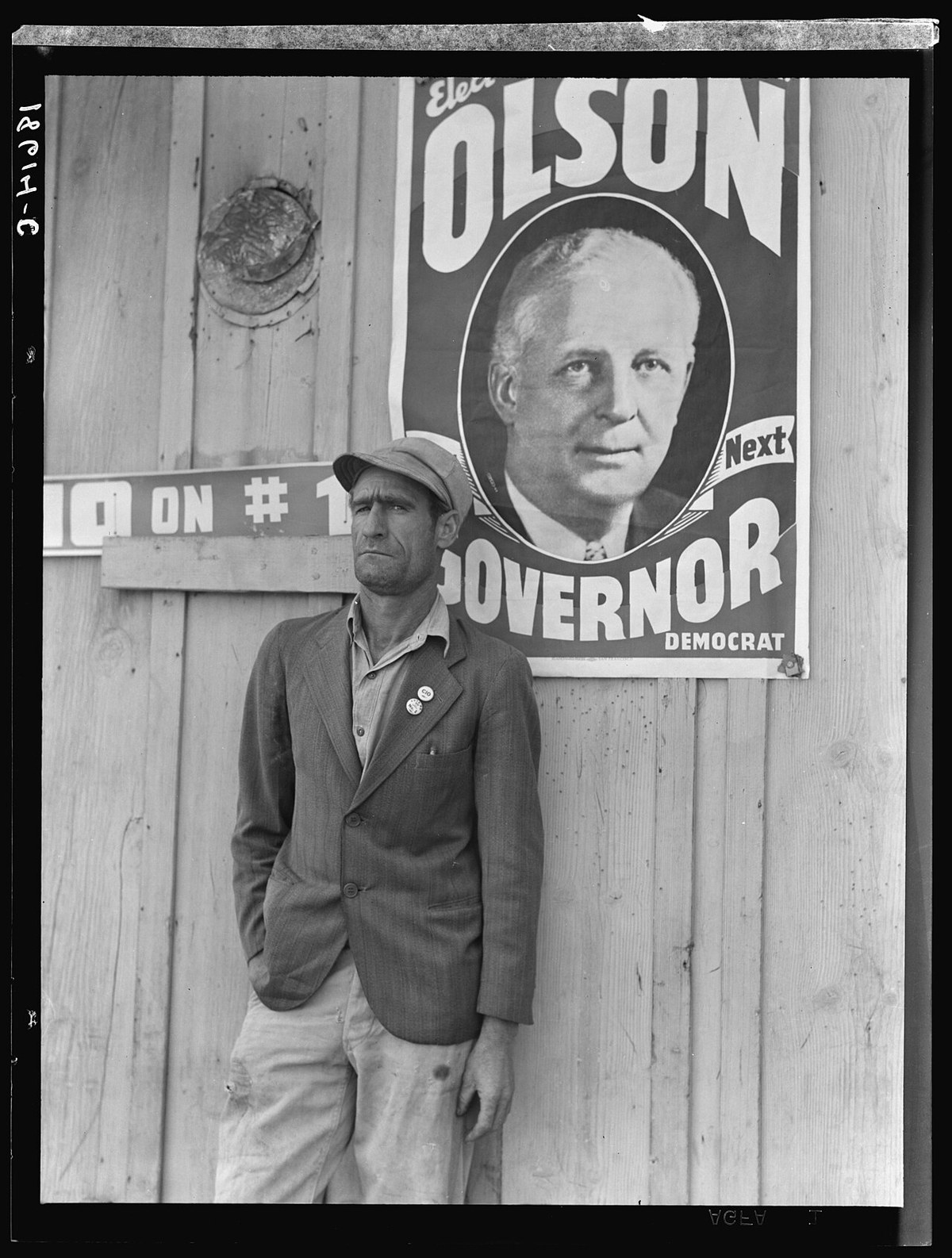


Shared rules left shared objects. The next room turns to the durable arts of the road: carved nickels, tramp-art wood, and the marks that outlasted the car.
See Sources for works and archives cited in this room.