
In jungle talk and in settlement-house studies alike, people insisted on a hierarchy: the hobo worked and wandered; the tramp wandered; the bum did neither. The lines were moral as much as economic—and they were never airtight.
The previous room ended on a question the riders argued over for decades: what, exactly, separated a hobo from a tramp or a bum? This chapter takes that question seriously. It explains the classic three-way split as historical actors used it, then follows the places where lived experience, race, gender, age, and hard times frayed the slogan into something messier.
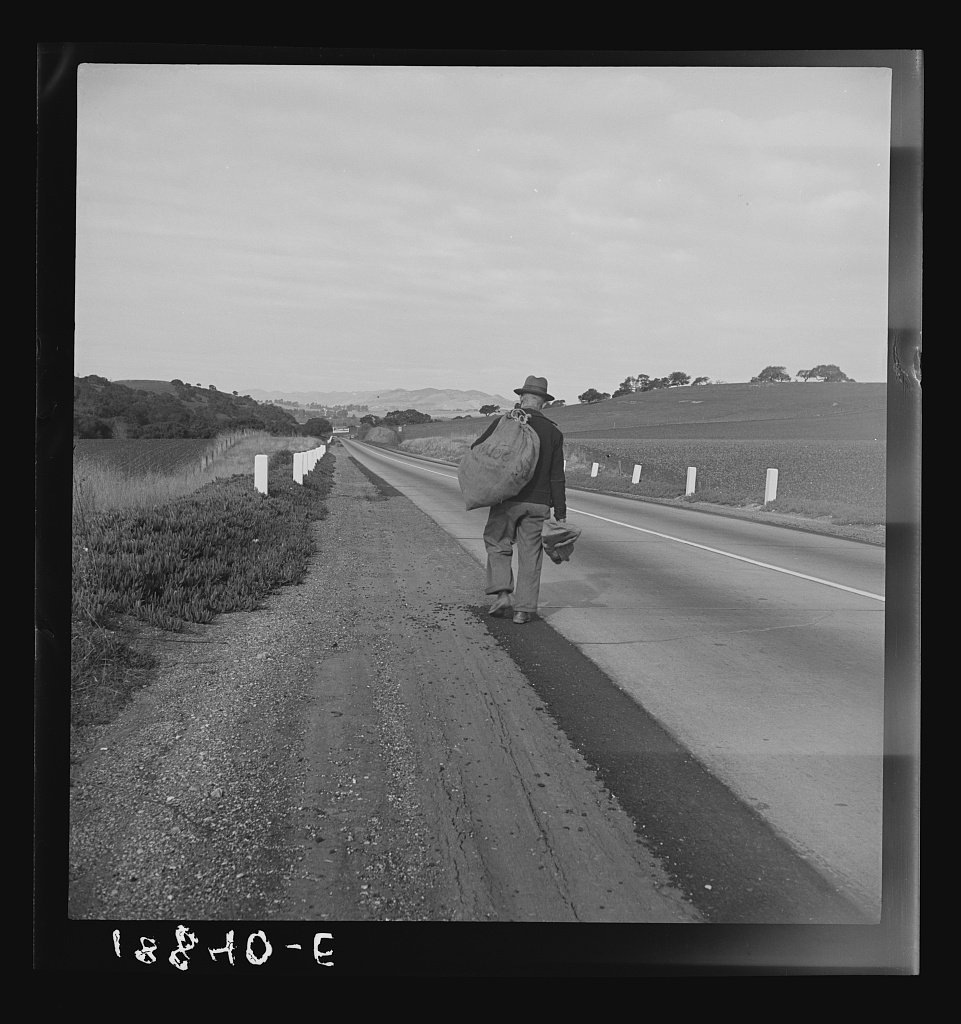
The Classic Three-Way Split
Early twentieth-century writers—and many hobos themselves—repeated a tidy formula: hobos traveled to work; tramps traveled to avoid work; bums neither traveled nor worked. Ben Reitman popularized the saying, and it became a badge of honor for men who wanted to be seen as harvest hands and lumberjacks, not beggars. To call yourself a hobo was to claim productive travel. To be called a bum was an insult.
Nels Anderson’s 1923 Chicago study The Hobo treated the main stem as a labor market for migratory workers even while recording alcohol, illness, aging, and men who no longer fit the ideal. Categories were tools. The street was messier than the slogan.
Words That Shifted With the Economy
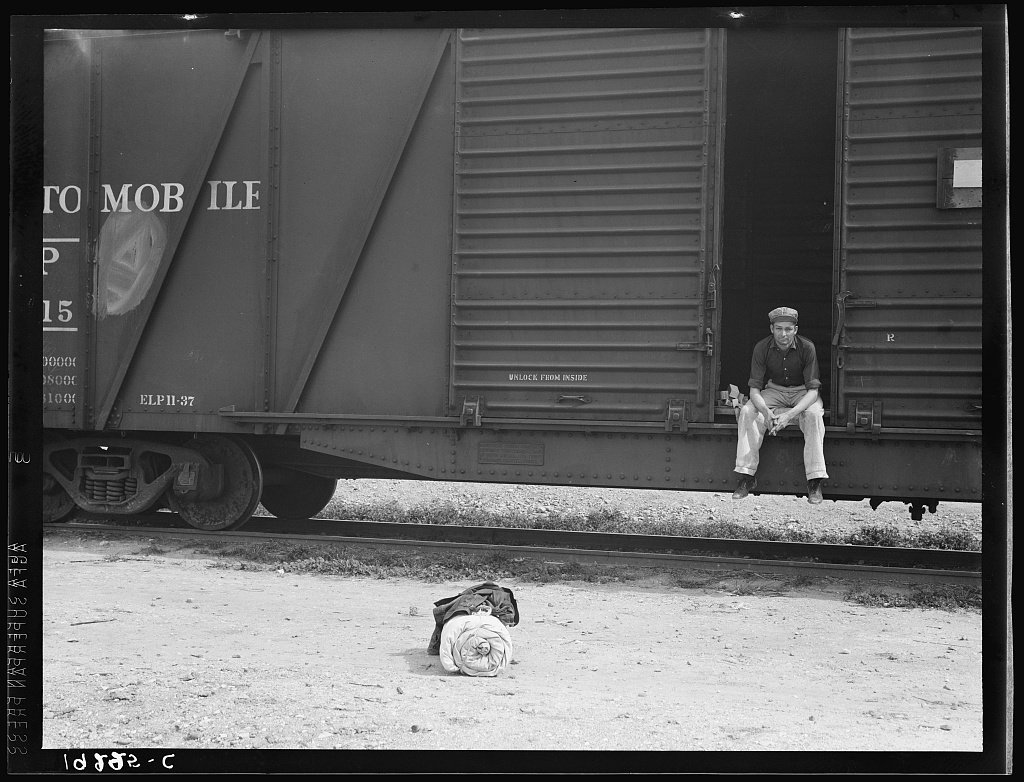
Some historians map the vocabulary onto eras. After the Civil War came the “tramp scare,” when newspapers discovered a new army of road men and the word tramp itself shifted from a hard march to a vagrant with no visible means of support. Around 1900 the hobo labor market tied to harvest and timber gave the working traveler a clearer name. In the Depression, “transient” populations blurred every line when factory men, farm families, and teenagers shared boxcars. Words shifted as the economy shifted.
Josiah Flynt’s tramp sketches and glossaries, collected in Tramping with Tramps (1899), tried to teach middle-class readers the difference between types of roadsters. London read Flynt and dedicated The Road to him. Later sociologists read both. The chain of description is itself part of hobo history: how Americans learned to say the words, and why this museum still teaches them with caution labels.
Where the Lines Blurred
A harvest hobo between seasons looked like a tramp to a town marshal. Injury, age, and alcohol pushed men “down” the ladder. Women and families on freights never fit the male triad. In the South, race and vagrancy law could erase the “worker” claim overnight. Police and charity workers liked the split when it sorted the “deserving,” but a self-described worker without cash or a job letter could still be jailed as a tramp.
Stories That Break the Triad
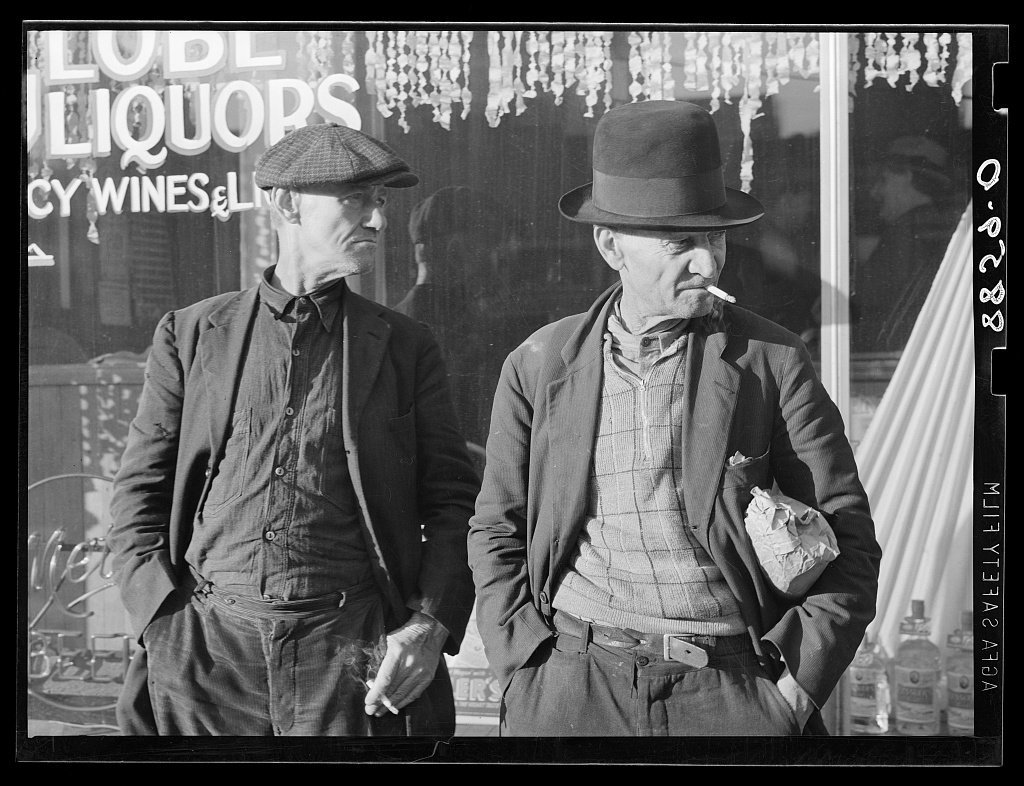
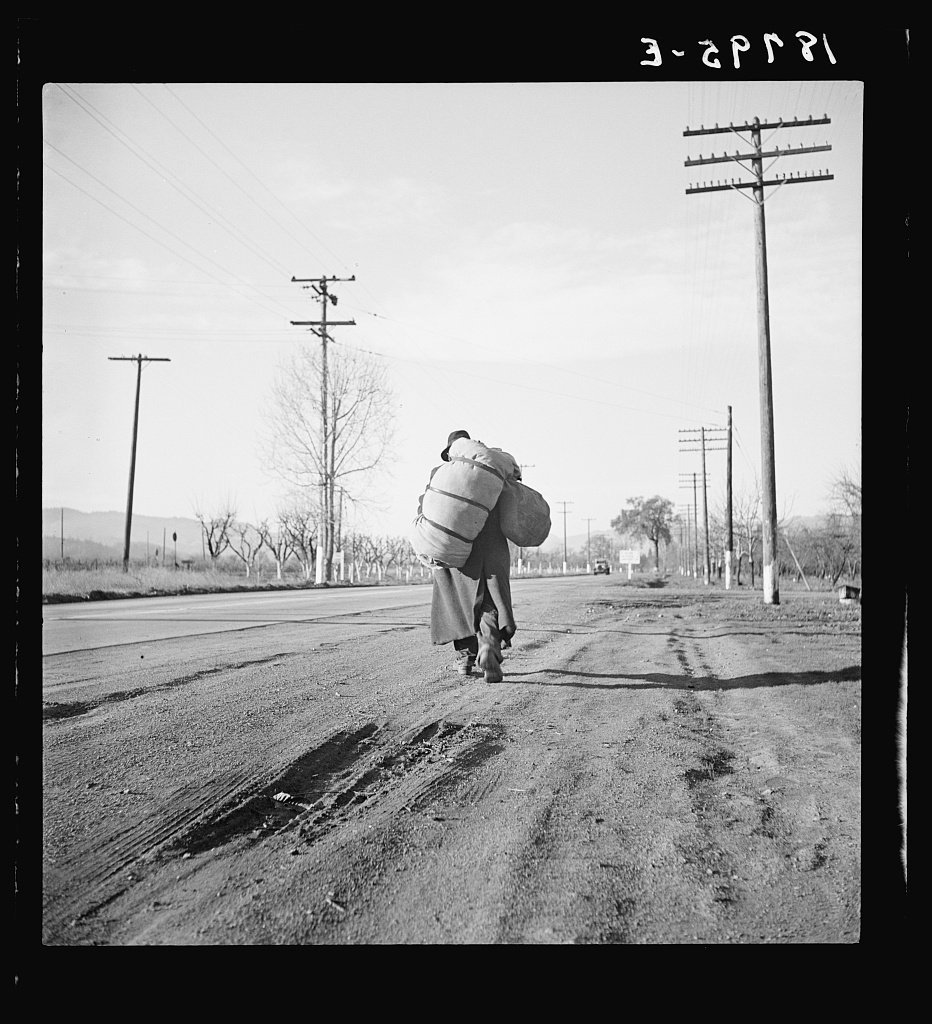
Lange’s San Luis Obispo itinerant—“Not the old ‘Bindle-Stiff’ type”—is a tiny short story: someone on the road who does not match the folk costume. Vachon’s Omaha pair past sixty “do not expect ever to work again,” yet they still ride. Charity workers, police, and riders could each use the triad truthfully in one afternoon on the main stem and still fail to describe a woman with children on a freight, a Black harvest hand in Alabama, or a teenager on a joyride that turned into a year.
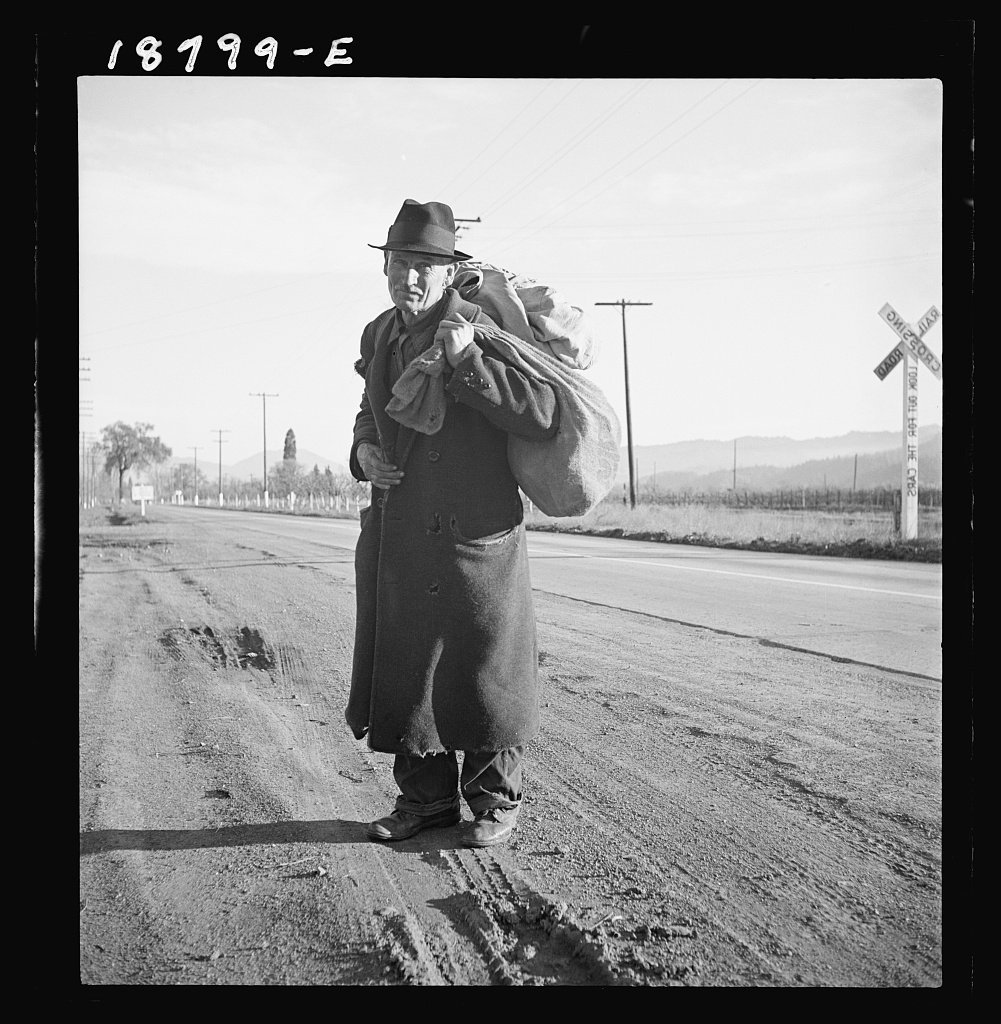
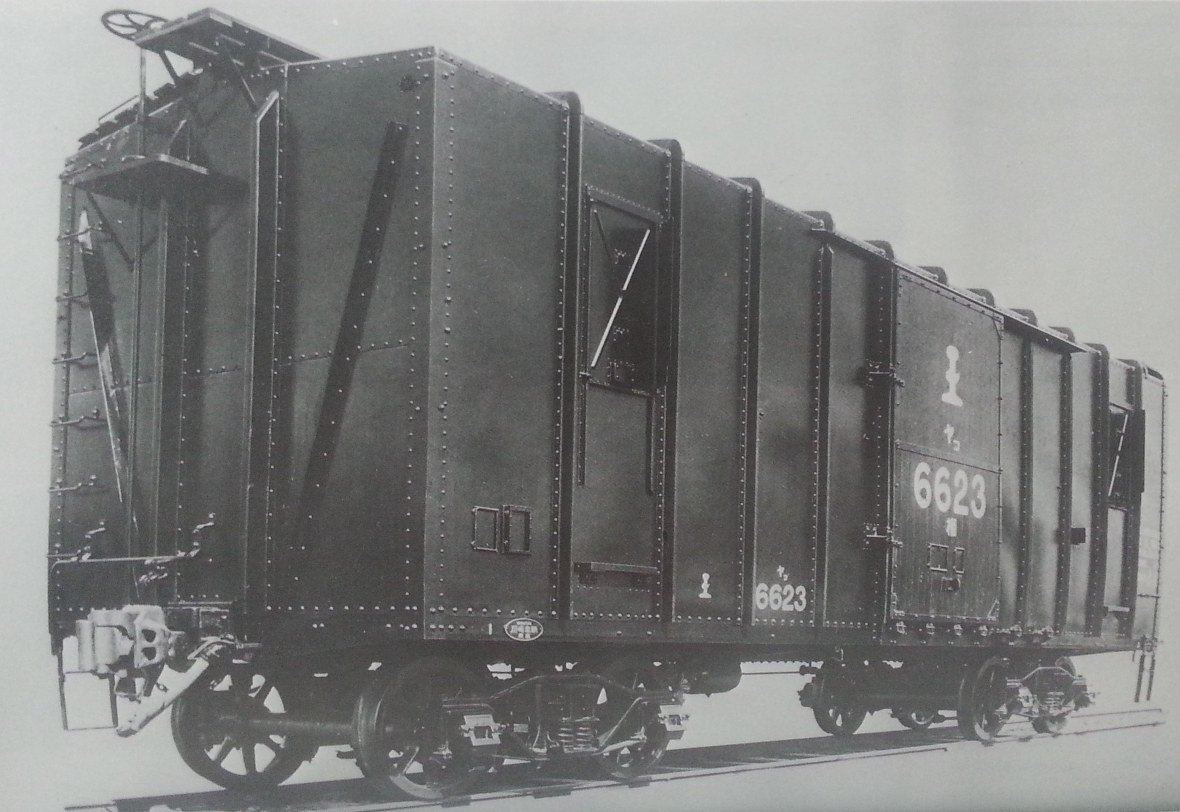
Take the slogan as a historical artifact, not a sorting hat for human beings. The next room leaves the labels behind and asks how the road was actually lived: catching out, jungle camp, bulls, and the physics of steel and cold.
See Sources for works and archives cited in this room.