
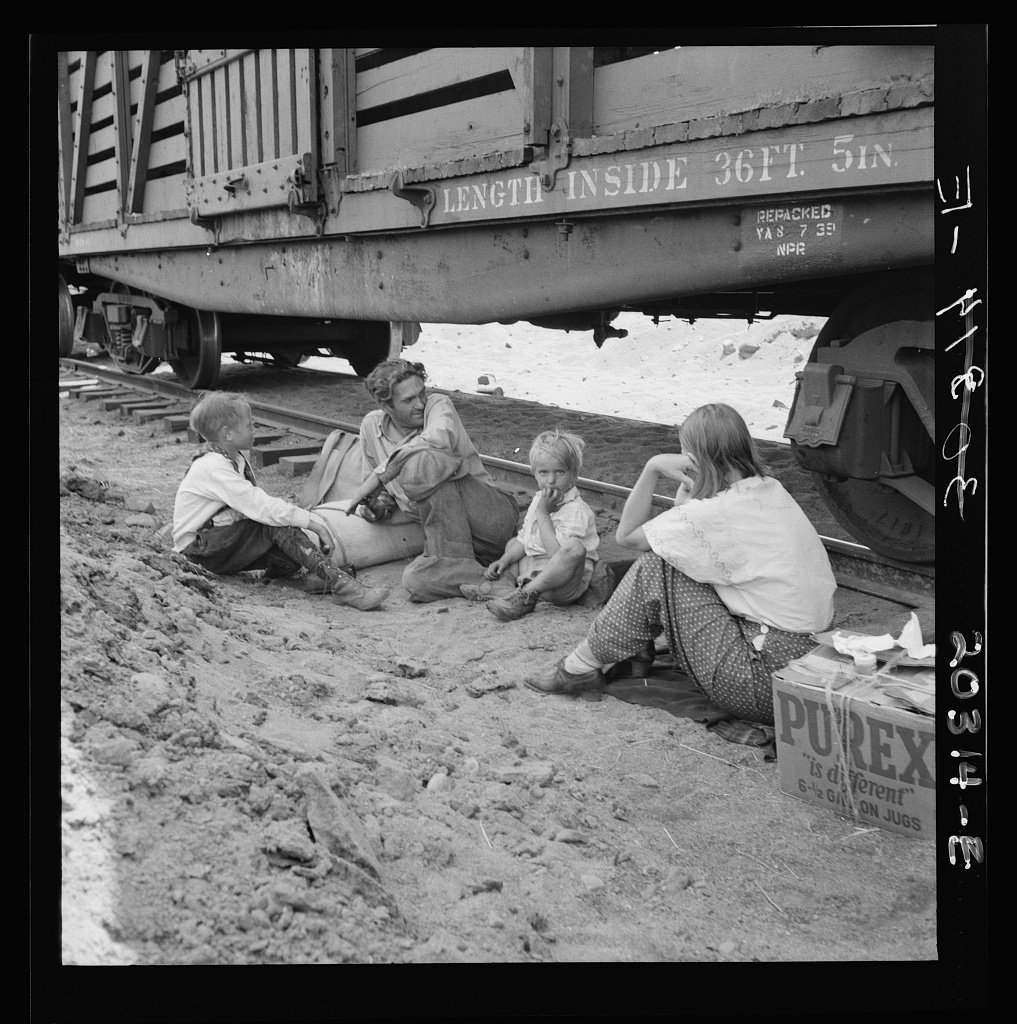
After 1929 the freights carried not only career migratory workers but clerks, farm sons, and teenagers who had never planned to learn a jungle’s rules.
Culture and Code closed on how the road marked and remembered itself. This chapter opens on the crash that made those marks and words suddenly belong to a much larger America. The Great Depression was not only a stock-market story. It was an everyday catastrophe—jobs gone, banks closed, farms lost, dust in the air—and that catastrophe made the freight car look, to hundreds of thousands of people, like the only unpaid bus left.
What Collapsed
The crash that Americans still date to late October 1929—Black Thursday and the days that followed—did not invent hardship overnight, but it opened a slide almost without bottom. By the time Franklin D. Roosevelt took office in March 1933, the banking system had largely collapsed, prices and production had fallen sharply from 1929 levels, and official estimates put unemployment near one in four workers. The Bureau of Labor Statistics later put 1933 unemployment at about 24.9 percent of the labor force—roughly 12.8 million people. Between 1930 and 1933, about seven thousand banks failed, nearly a third of the banking system, in the years before federal deposit insurance. Even workers who kept jobs often saw wages cut deeply. Factories shut. Mines and mills went quiet. Farms and homes were lost to foreclosure when crop prices and incomes could not meet the notes.
For a younger reader who has never seen that kind of nationwide hardship, the important point is not a ticker-tape date. It is what the numbers meant at a kitchen table: no paycheck, no savings if the bank had closed, no crop money if the land blew away or the price collapsed, and little local relief if the town itself was broke.
Hardship You Could See
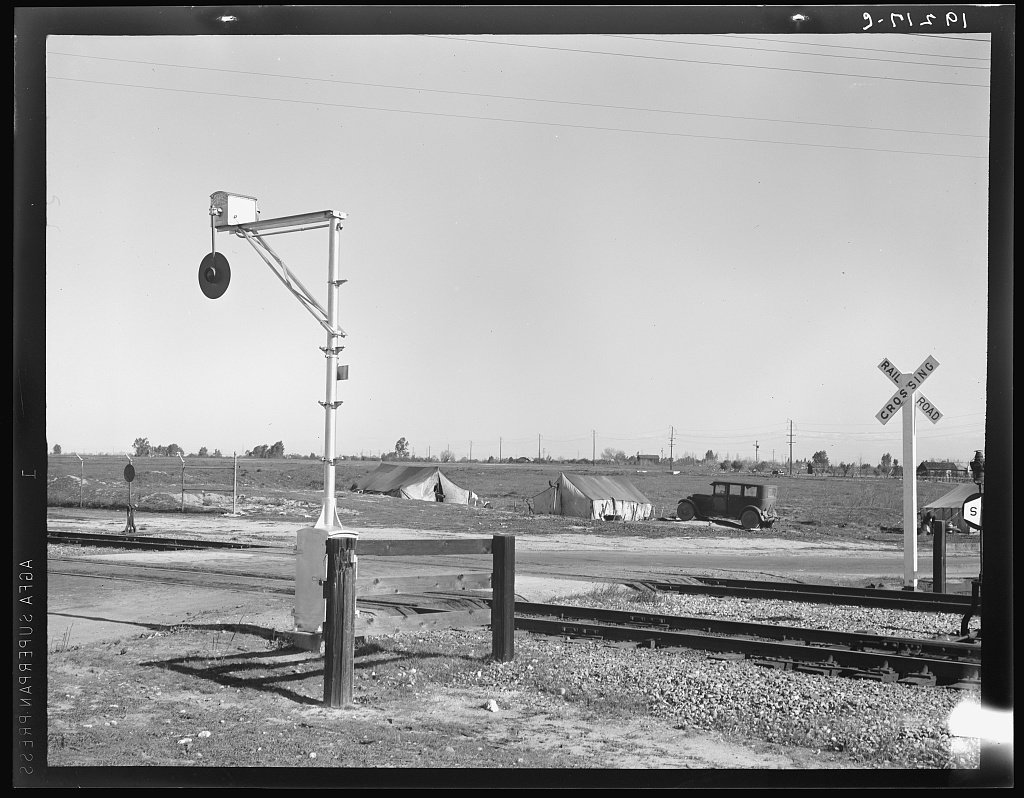
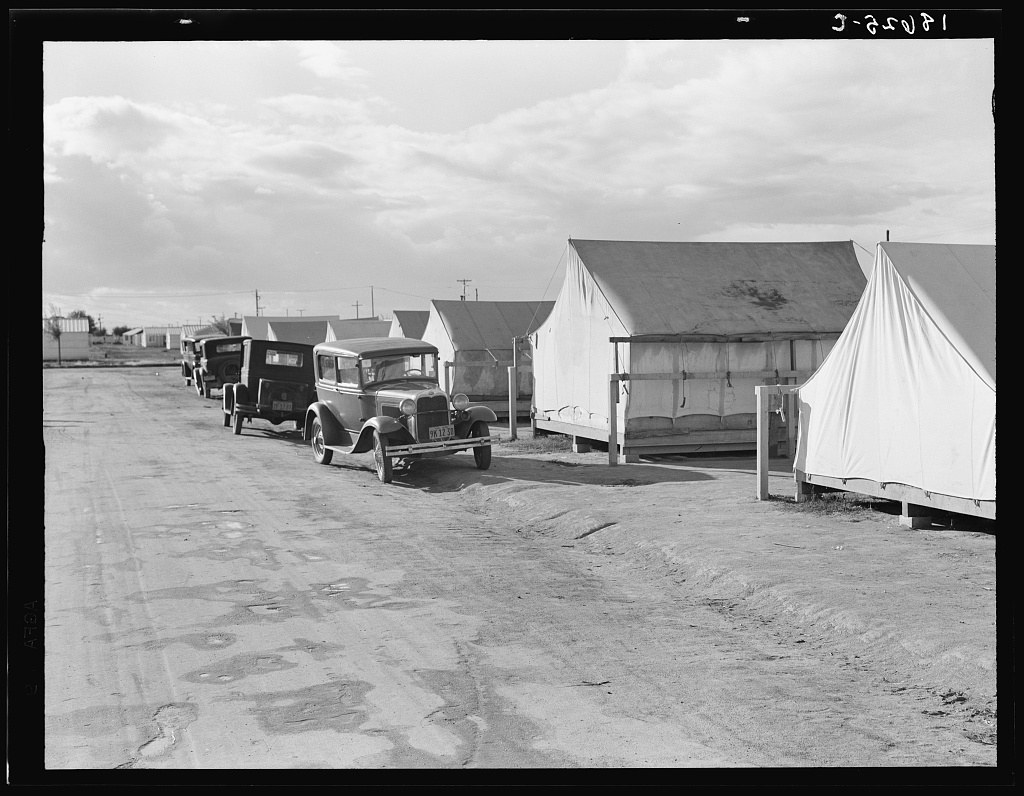
Shantytowns nicknamed Hoovervilles rose from packing crates, scrap lumber, and abandoned cars on the edges of cities. Breadlines and soup kitchens became ordinary sidewalk scenes. On the Great Plains, drought and dust storms—the Dust Bowl—drove families off land that would no longer hold a crop; many headed west toward California’s valleys, chasing rumors of work. Families split so that fewer mouths ate at one table. Young people whose parents could no longer support them left home. The FDR Library’s own summary of the era puts it bluntly: America’s unemployed were on the move, but there was no place that offered easy relief.
Why the Era Was Fertile for Hobo Life
Earlier rooms in this museum drew careful lines: the hobo who traveled to work, the tramp who traveled without seeking it, the bum who did neither; the jungle, the main stem, the harvest circuit. The Depression did not erase those words. It flooded them. Men who had never considered riding freights did so to look for wages or to stop burdening home. Boys and teenagers learned jungle rules they had never planned to need. Women and whole families traveled too, though popular imagery stayed male. Depression “transients” were not identical to the pre-1930 hobo world—but they shared cars, camps, and cameras with it.
The railroads made that flood possible. Freights still moved food, lumber, and manufactured goods across a continental network. For someone without a ticket, they were the unpaid bus between rumors of work—exactly the logic the Work circuits room describes in calmer decades. A closed factory in one town and a harvest call in another were connected by steel. Catching out looked like survival when the alternative was sitting still with nothing.
The Federal Transient Service
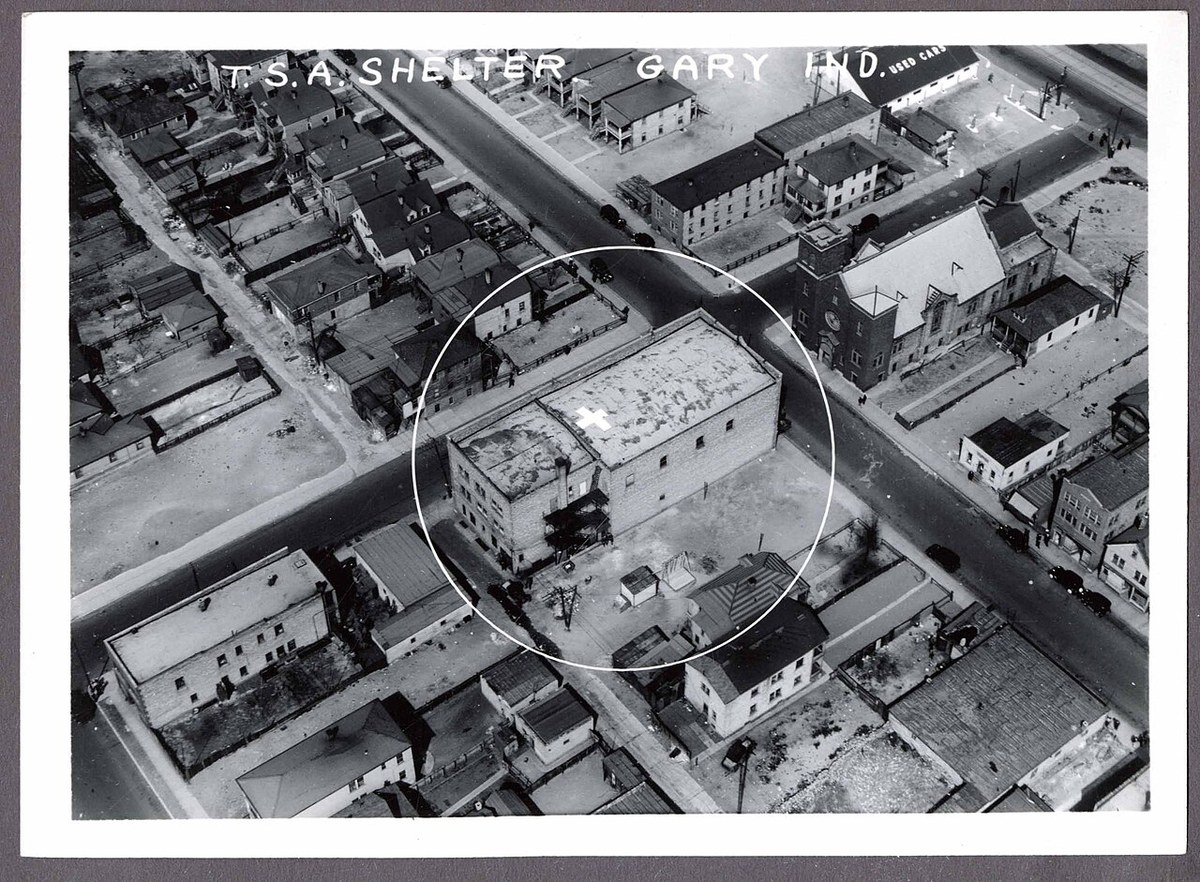
Local relief usually demanded residency—often a year in the state—before it would help. That rule stranded people who had moved looking for work. In 1933 the Federal Emergency Relief Administration created a Transient Division (the Federal Transient Service) to fund care for people who had lived less than twelve months in the state where they applied. Shelters and camps offered food, a bed, and sometimes work. Local antagonism was fierce: towns feared that nonresidents would take scarce jobs or drain scarce aid, and many states were slow to join even when the federal government paid. The program ran for roughly two years; intake ended in 1935 as New Deal policy shifted from direct relief toward work programs such as the WPA. For riders, the Service was proof that the crisis was national—and that “transient” had become an official category, not only a jungle word.
The Camera as Historian
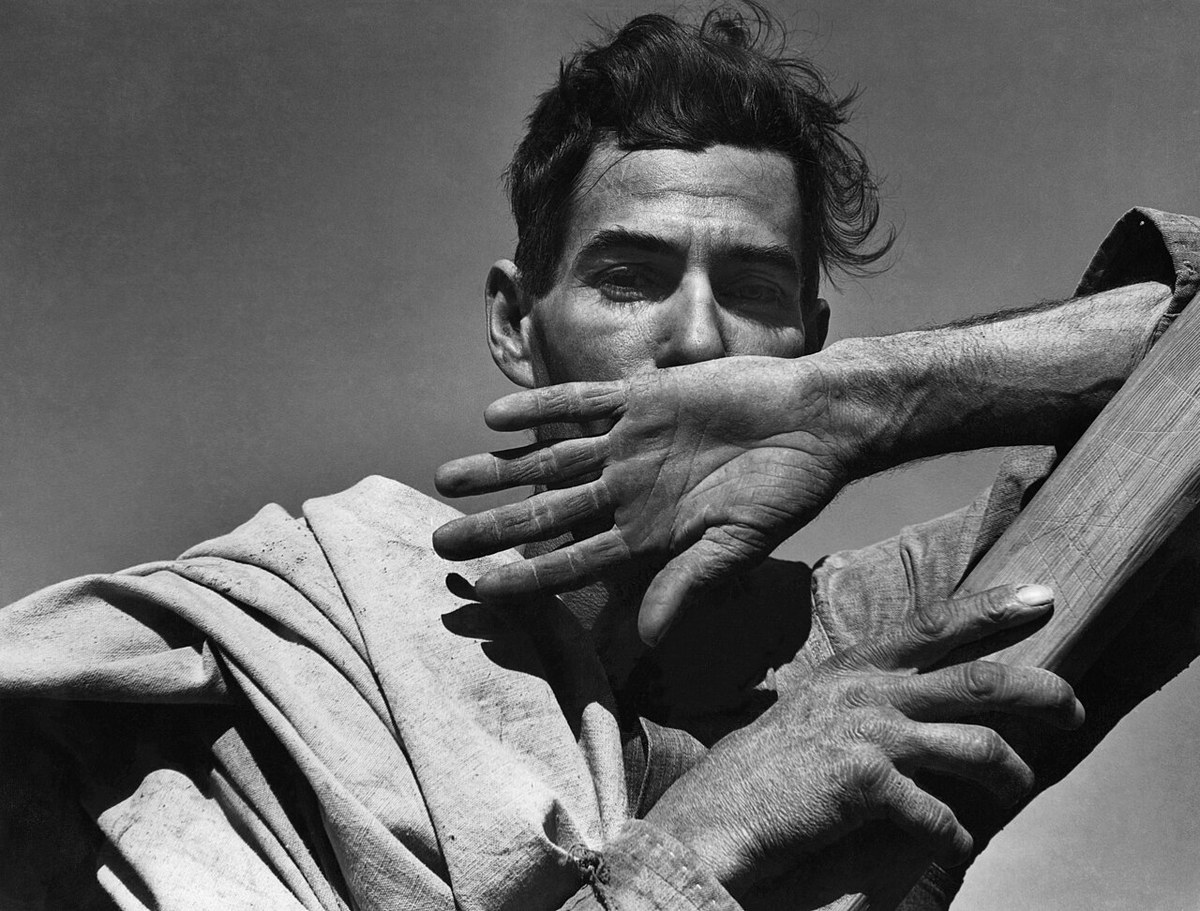
Farm Security Administration photographers—Lange, Vachon, and others—created the visual memory of bindles, tents, freights, and camps. Not every person with a bindle was a lifelong hobo; captions often mark the difference. Lange’s words under a negative—“old bindle-stiff,” “itinerant,” “family who traveled by freight”—are primary sources. Read the caption as carefully as the image. Without those negatives, the Depression road would be mostly rumor and pulp.
What Remained—and What Comes Next
Wartime labor demand and later diesel and security changes reduced classic freighthopping. The culture persisted in memory, Britt ritual, moniker art, and occasional riders—but the mass transient army of the 1930s did not return in the same form. Preserve the Yakima freight-family story beside the teenage narrative so scale includes kinship, not only lone-wolf romance.
Look backward from this room and you see why Origins and Work circuits matter: rails plus wage hunger made mobility thinkable long before 1929. Look sideways to Distinctions and Boxcar kids and you see how the old labels frayed and how youth filled the yards. Look forward and the next room turns to an earlier answer on those same freights: how the Industrial Workers of the World had already used boxcars as organizing space, years before the Crash made every car look like a lifeboat.
See Sources for works and archives cited in this room.