
On Main Avenue South in Britt, a former movie theater holds bindles, photographs, and the names of kings—proof that a town decided this history was worth keeping under a roof.
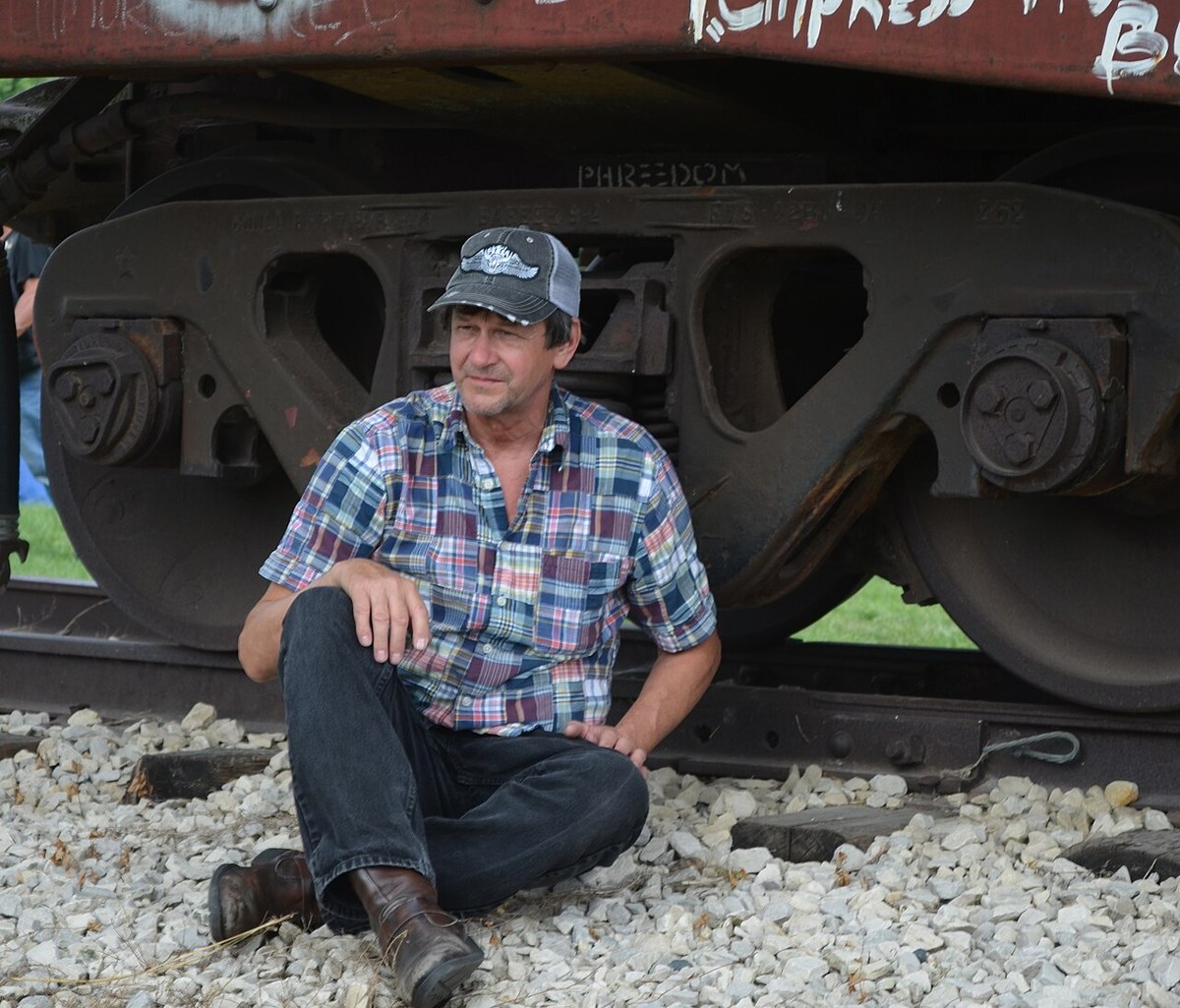
The convention is one week. The rest of the year, Britt keeps the culture visible under a roof and on a map: the National Hobo Museum, a cemetery section, the Queen’s Garden, and a jungle with a boxcar. This chapter is the walkable sibling to the digital rooms you have already passed through.
National Hobo Museum
At 51 Main Ave. South, run by the Britt Hobo Days Association. Collections include artifacts associated with Steam Train Maury, Pennsylvania Kid, Connecticut Slim, Hard Rock Kid, Frisco Jack, and others. The Hobo Foundation’s museum effort dates to the mid-1970s; a Main Street home followed in the early 1980s. Determined to preserve the history of the American hobo, those founders built cases where parade memory could live year-round.
Cemetery, Garden, Jungle
City materials point to the Queen’s Garden, National Hobo Cemetery section (northeast corner of Evergreen Cemetery), and a Hobo Jungle with boxcar near Main. Families of riders who “caught the Westbound” (died) donated objects; a museum case turns private grief into public memory. Confirm burial versus commemorative marker locally before stating where any one king rests—Steam Train Maury died in 2006.
Source: City of Britt — National Hobo Museum.
A Brick-and-Mortar Sibling
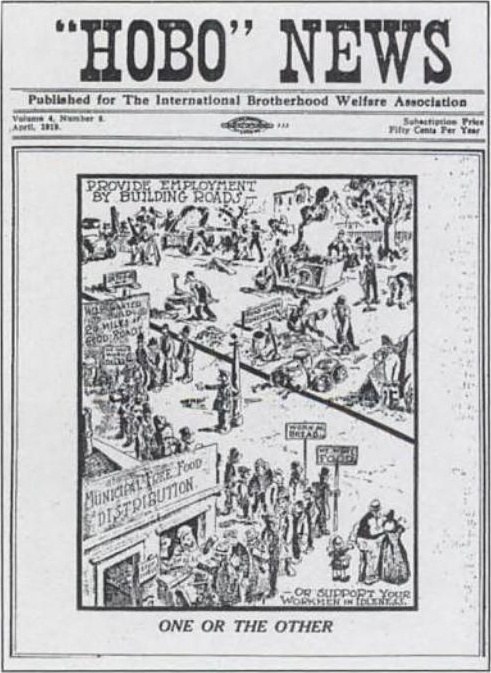
This site is digital; Britt’s museum is walkable. Preservation works best when the two point at each other—cases and captions, parade and primary source. City museum history says artifacts arrived from kings, queens, collectors, and families; each donation is a small story of grief turned into display. When you can travel, send yourself to those cases.
The last room of the tour refuses romance one more time: then was deadly, and now remains illegal and deadly.
See Sources for works and archives cited in this room.